Written Report
Photos, moisture readings, and lab data in one document
When you book a Mold Inspection Meridian ID with us, a trained inspector walks your home or building, measures moisture, and documents what is actually growing. We serve homeowners, buyers, renters, and property managers across Ada County. If you have smelled something musty, seen a stain spread, or just finished a water cleanup, this visit tells you whether mold is present and how far it reaches.
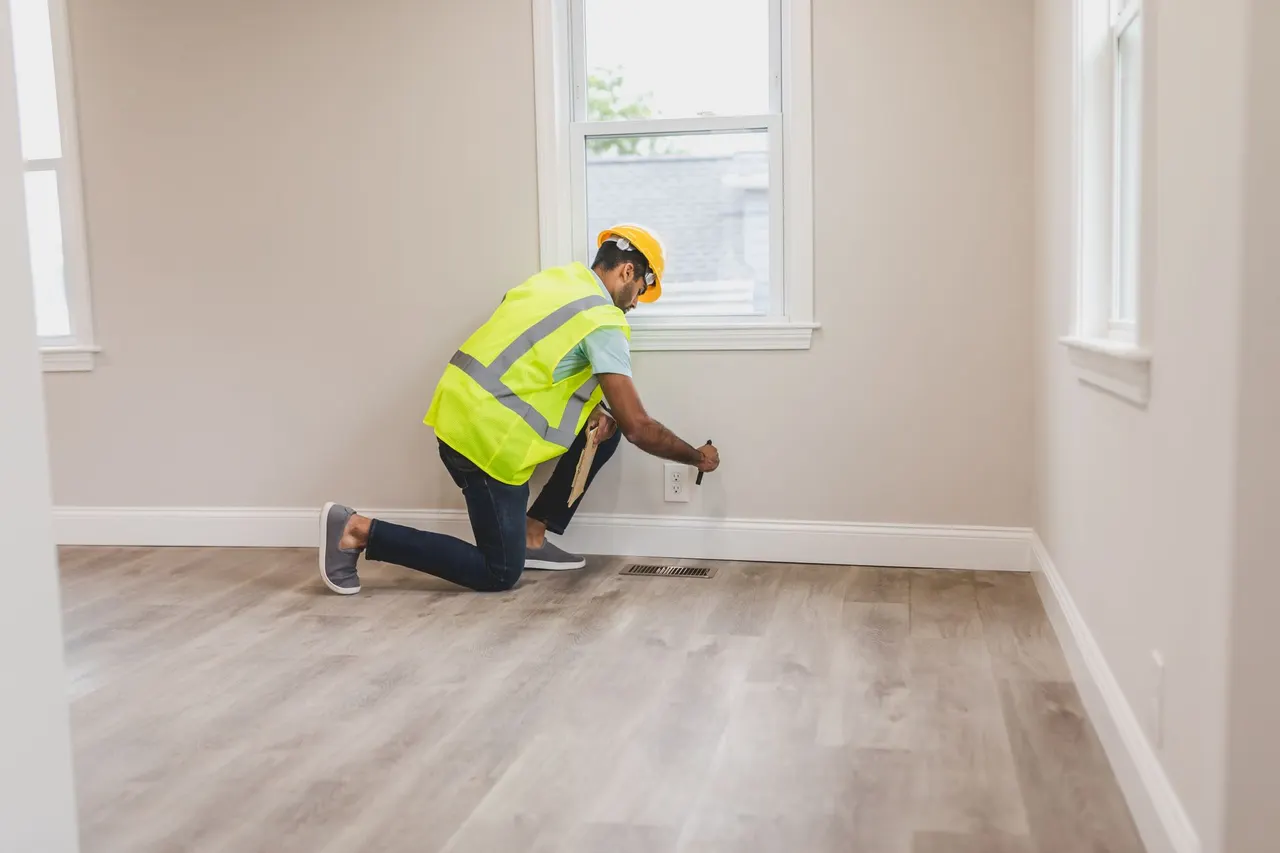
Every inspection includes a full visual walkthrough, moisture and humidity readings, thermal imaging, and at least two air samples with an outdoor control. Crawl space, attic, and HVAC checks are standard. Additional sampling, such as surface swabs or bulk samples, is quoted separately if the situation calls for it. You get a written report with photos and lab data either way.

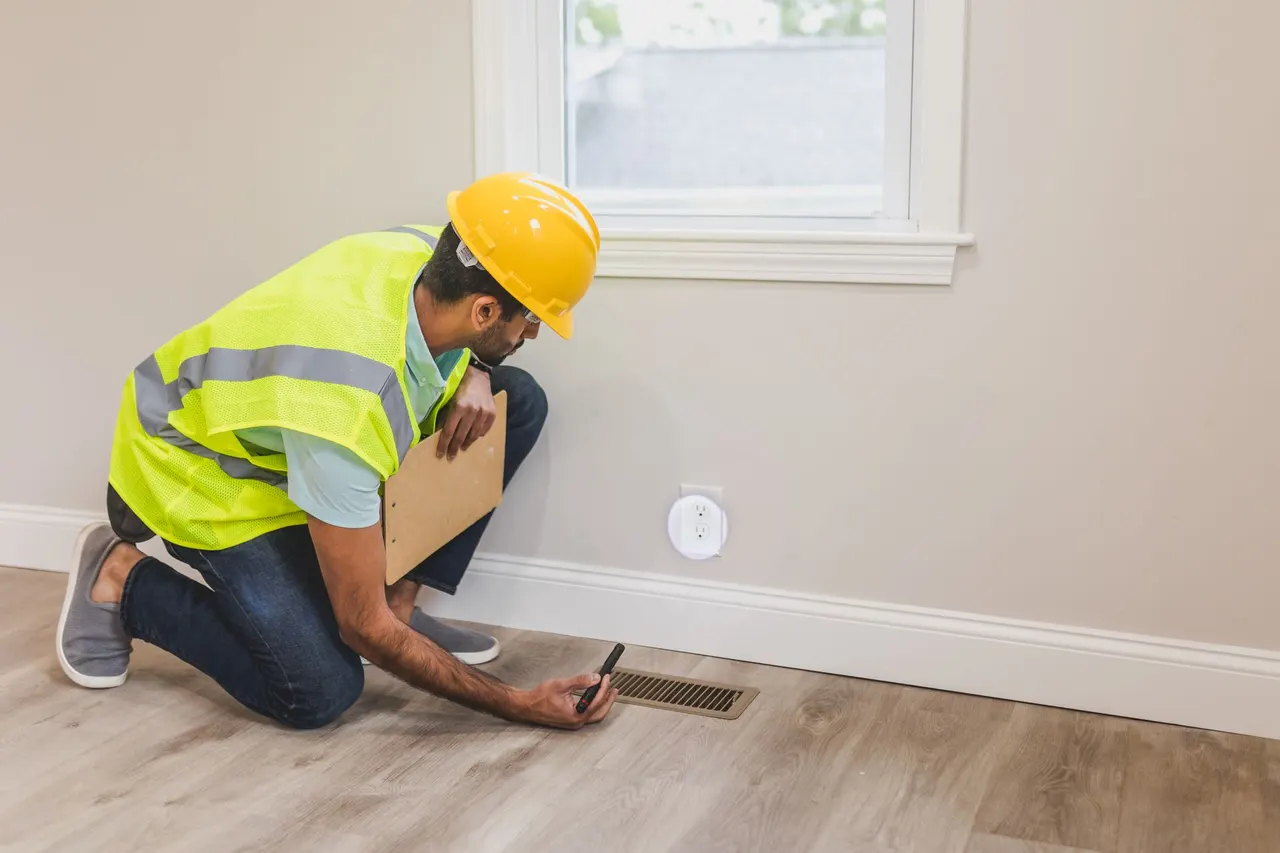
We inspect single-family homes, townhomes, and rentals across Meridian. You get moisture readings, air samples, and a written report you can act on.
We inspect offices, retail spaces, and multi-unit buildings for owners and property managers. Reports are formatted for tenants, insurers, and remediation crews.
A mold inspection is a room-by-room investigation of your property for active growth, hidden moisture, and the conditions that feed it. We start with a moisture meter and hygrometer readings on walls, ceilings, and floors, then run a thermal imaging camera across suspect surfaces to find temperature differences that signal trapped water. Air sampling pumps pull measured volumes of air through spore trap cassettes, and we use a boroscope to look inside wall cavities without tearing them open. Every reading gets logged, photographed, and tied to a location so you know exactly where the problem sits.
Meridian homes deal with a specific set of mold triggers. Winter inversions push indoor humidity up while windows stay shut, spring snowmelt and rain find their way into crawl spaces, and summer irrigation lines keep soil saturated against foundations. Add a 1990s subdivision full of vinyl-clad walls and you get plenty of hidden mold behind walls. If you have been searching for a mold inspection near me Meridian ID because a musty odor will not quit, the answer usually sits in a crawl space, an attic, or an HVAC closet.
We measure moisture, sample the air, and document what is actually growing.
Every visit follows the same five steps. You know what is happening, what it costs, and what you get before we pack up the truck.

You call (208) 823 1178 and describe what you have seen or smelled. We ask about recent water events, the age of the home, and whether anyone in the house has been getting sick. That conversation sets the scope and the price before we schedule.

An inspector arrives with a moisture meter, hygrometer, and thermal imaging camera. We walk the interior, then the crawl space, attic, and mechanical closets. Expect 60 to 90 minutes for a standard home, longer if the property is large or heavily affected.
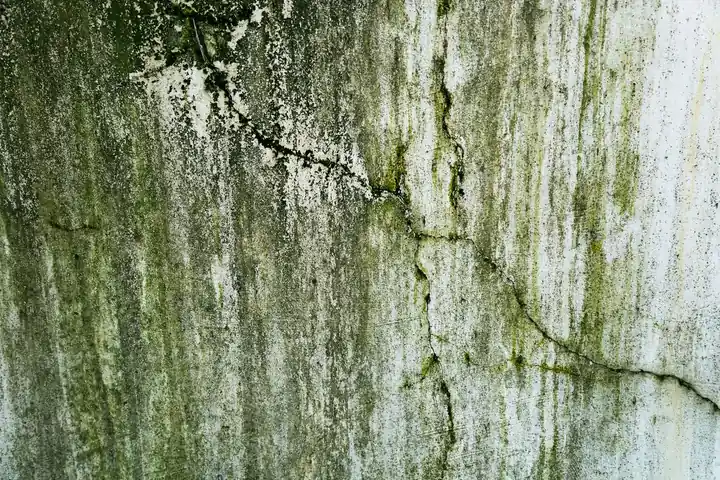
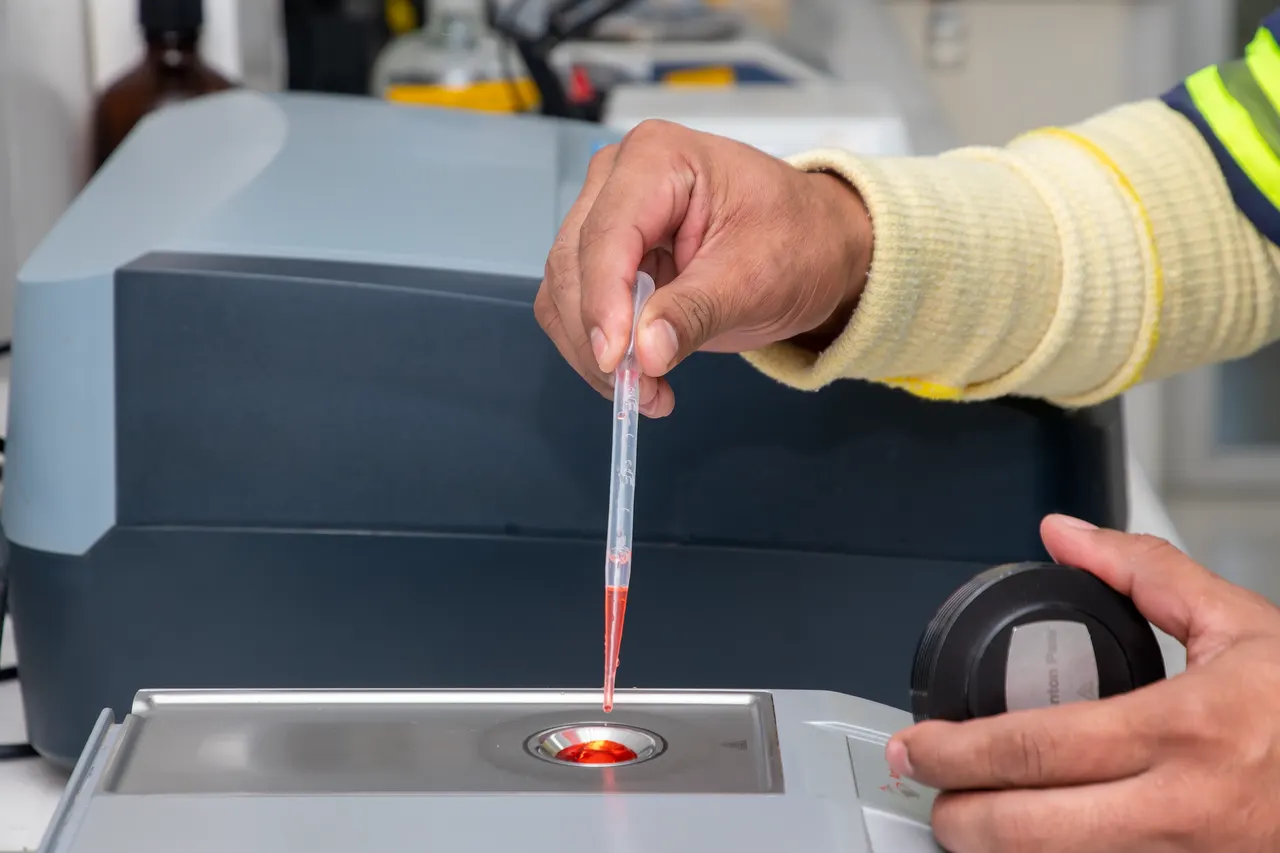
We set air sampling pumps with spore trap cassettes in affected rooms and one outdoor control. Surface sampling swabs or tape lift kits collect anything visible. Every sample is labeled, photographed, and logged on a chain of custody form before it leaves the property.
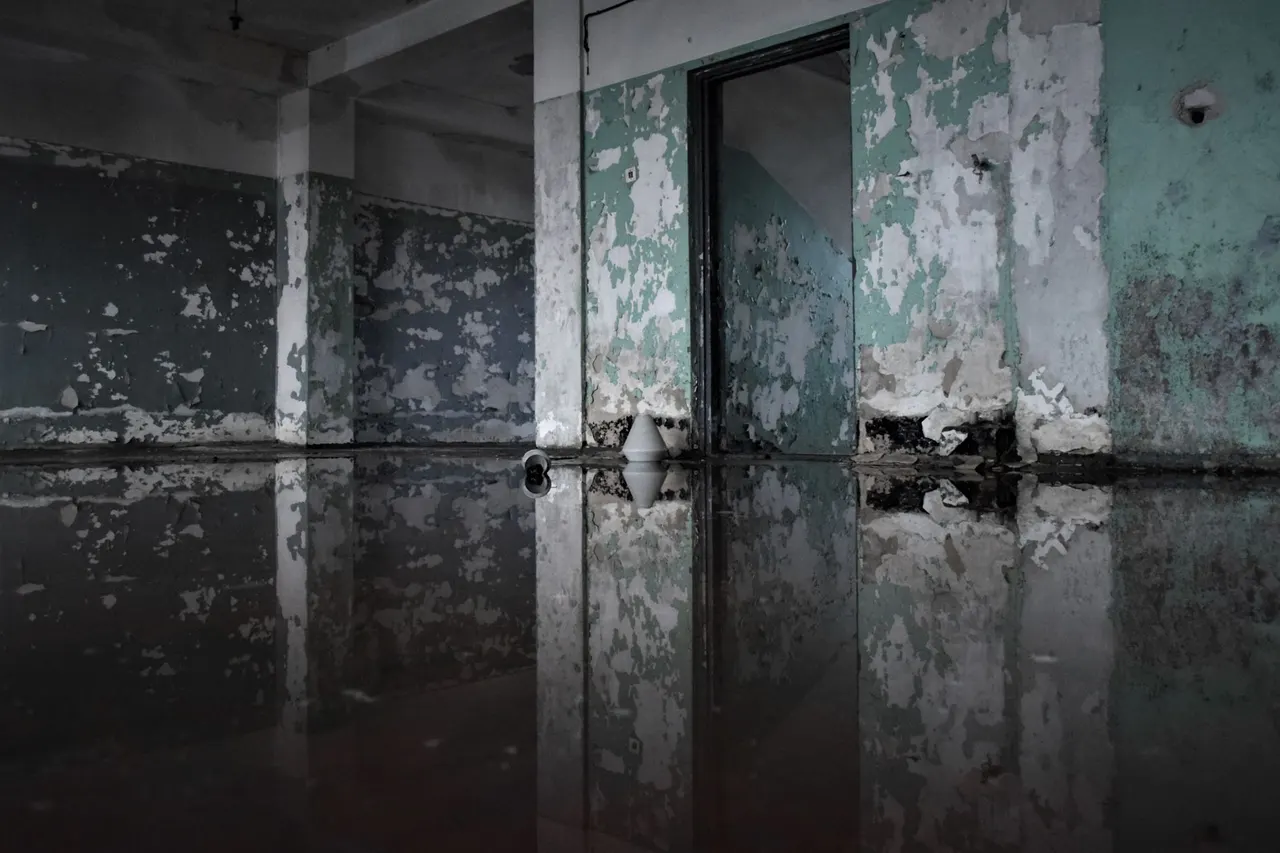
Samples go to an accredited lab and results come back in two to five business days, depending on the panel. The lab identifies genera such as Stachybotrys, Aspergillus, and Penicillium, and reports raw spore counts per cubic meter of air.
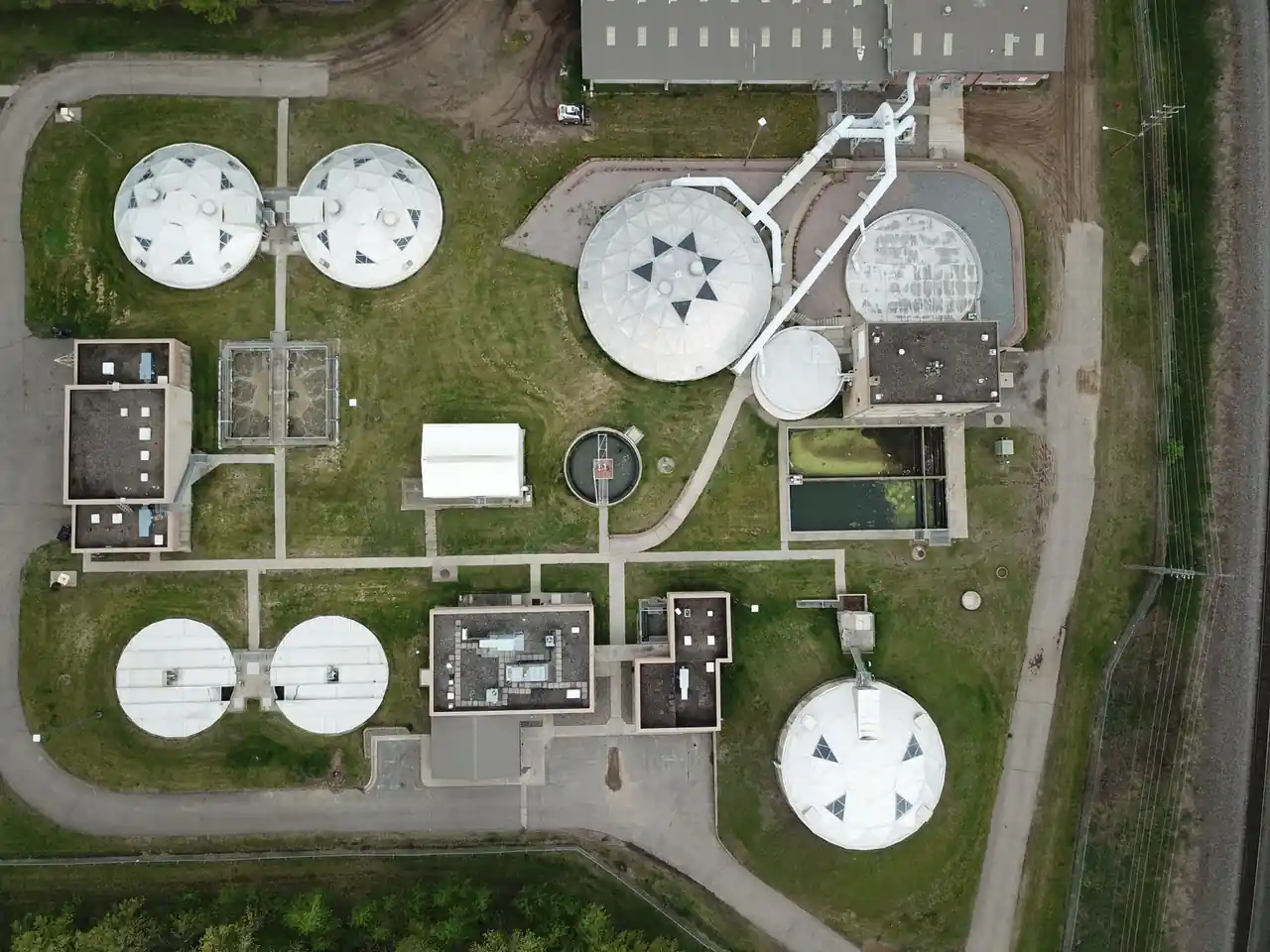
You get a written report with photos, moisture readings, lab data, and a recommended scope. We walk you through it by phone or in person and answer questions. If remediation is needed, we can quote post-remediation clearance testing at the same time.

Reveals temperature differences caused by trapped moisture behind walls, ceilings, and floors. We scan suspect areas, then confirm findings with a moisture meter before sampling.

Gives hard readings on moisture content in drywall, framing, and subfloor. Pin and pinless modes let us check both surface and deeper moisture without damaging finishes.

Draws a measured volume of air through a spore trap cassette so the lab can calculate spores per cubic meter. We run one pump per affected room plus an outdoor control.

Captures airborne spores for microscopic analysis. This is the standard method for comparing indoor air quality to outdoor baseline levels.

Lets us look inside wall cavities, ductwork, and other enclosed spaces without cutting large openings. We use it to confirm hidden growth and pinpoint the moisture source.
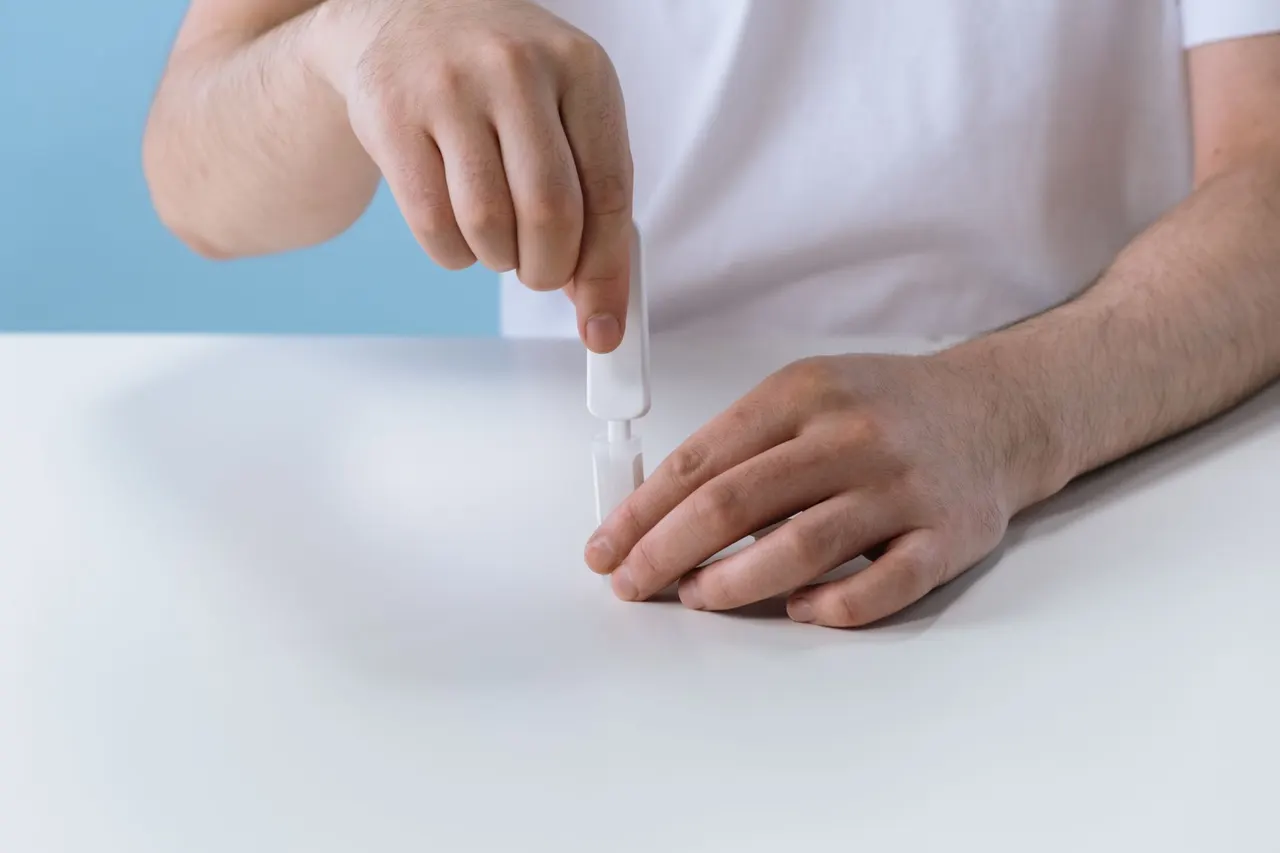
Measures relative humidity room by room. High humidity is the root cause of most mold problems, so these readings guide ventilation and dehumidification recommendations.

Collects direct samples from visible growth for species-level identification. Swabs work well on irregular surfaces, while tape lifts preserve the structure of the colony.

We chart wet zones across walls, floors, and ceilings using meters and sensors. The map shows how far water has traveled and where mold is likely to appear next, even before growth is visible.
We inspect the affected area within 24 to 48 hours, measure moisture in walls and floors, and sample for mold. If growth has started, the report documents it for your insurance claim. You know whether remediation is needed and have documentation to support a claim or a repair bid.
We schedule around your contingency deadline, inspect the whole house including crawl space and attic, and deliver the report fast enough to keep the deal moving. Both sides get a factual report they can use to negotiate repairs or credits before closing.
We run air sampling in affected rooms plus an outdoor control, check humidity and ventilation, and inspect for hidden moisture. Lab results show whether spore counts are elevated indoors. You have lab data to guide next steps, whether that is remediation, ventilation fixes, or a medical conversation.
We sample air and surfaces after the work is done and compare results to the original baseline. The clearance report confirms whether the remediation actually solved the problem. You get a written clearance report your contractor and insurer can accept, and confirmation the space is safe to reoccupy.
Meridian sits in the Treasure Valley, where winter inversions trap moisture and summer irrigation keeps soil wet against foundations. That combination makes crawl spaces, attics, and wall cavities the most common problem areas we see. Homes built in the 1990s and 2000s often have vinyl siding and tight building envelopes that trap humidity indoors. Newer builds in Tuscany and Sierra Ridge are not immune either; we frequently find construction-era moisture that never fully dried. When you book a mold assessment Meridian ID, we adjust the inspection to your home's age and construction type. A 1920s Downtown Meridian bungalow gets a different crawl space and foundation check than a 2018 build in Paramount. We also account for Idaho's freeze-thaw cycles, which open small gaps around windows and doors that let water in over time. If you need a mold inspection in Northeast Meridian ID or anywhere else in the city, we bring the same equipment and the same documentation standard.
A homeowner in Northeast Meridian had a musty smell in the hallway for months but no visible mold. A slow leak behind the shower had been feeding a colony inside the wall cavity, and the drywall looked fine from the inside.
We used thermal imaging to locate the wet cavity, confirmed it with a moisture meter, and sampled through a small boroscope hole. Lab results showed elevated Penicillium and Aspergillus. The remediator removed one section of drywall, treated the framing, and the smell was gone in a week.
Fix the shower leak source, run the exhaust fan for 20 minutes after every shower, and keep indoor humidity below 50 percent. Recheck the cavity with a moisture meter once a year.
A Southeast Meridian home had a failing vapor barrier and standing water in the crawl space every spring. Joists and insulation were wet for weeks, and mold had started growing on the subfloor above.
We mapped moisture across the crawl space, sampled the growth, and documented the extent. The remediator replaced the vapor barrier, removed affected insulation, and treated the joists. Post-remediation clearance testing confirmed spore counts had returned to normal.
Inspect the vapor barrier every fall before snowmelt, keep gutters and downspouts clear, and regrade soil so water drains away from the foundation.
A tenant in Downtown Meridian complained of musty odors every time the furnace ran. The air handler closet had a wet drain pan and mold growing on the evaporator coil, which was spreading spores through every room.
We inspected the air handler, sampled the coil and drain pan, and ran air sampling in two rooms plus an outdoor control. Lab results confirmed elevated indoor spore counts. The landlord had the coil cleaned and the drain pan repaired, and a follow-up test showed normal levels.
Change HVAC filters every 60 to 90 days, keep the drain pan and condensate line clear, and schedule a coil inspection once a year before heating season.
Most mold calls start with a smell, a stain, or a health concern. We turn that vague worry into a documented answer so you know what to fix and what to leave alone.
We use thermal imaging and a boroscope to find the moisture source without tearing open walls, then sample the cavity to confirm what is growing. You get a precise location and a scope for remediation. The smell usually means hidden growth in a wall cavity, crawl space, or HVAC closet. Ignoring it lets the colony spread and can trigger allergies or respiratory symptoms in occupants.

We sample the growth with a surface sampling swab or tape lift kit and send it to the lab for species-level identification. The report tells you whether it is the toxigenic type and how far it has spread. Dark staining near a leak or under a sink often points to Stachybotrys or another toxigenic species. Left alone, it spreads into framing and insulation and becomes a much larger removal job.

We inspect the vapor barrier, joists, and insulation, measure moisture content, and sample any growth. You get a report that tells a remediator exactly what to remove and what to dry. Meridian crawl spaces take on water every spring, and joists and insulation stay wet for weeks. That is ideal conditions for mold, and it can spread into the floor system above.

We work within contingency windows and deliver reports in two to five business days. The findings give both sides a factual basis to negotiate repairs or credits without guesswork. A failed mold contingency can kill a deal or cost a seller thousands in last-minute repairs. Buyers and sellers both need a clear, defensible report fast.
We collect air and surface samples in sealed containers and send them to an accredited lab. You receive a written report with spore counts, species identified, and a comparison to outdoor baseline levels. That report is what remediation crews, realtors, and insurance adjusters actually want to see.
Visible mold is the easy part. Our inspectors use a boroscope and thermal imaging camera to check wall cavities, under sinks, behind baseboards, and inside ductwork. In a typical Northeast Meridian ID home, we find at least one hidden moisture source that the owner did not know about.
We offer same-day mold inspection Meridian Idaho appointments when the calendar allows, and most jobs are booked within 24 to 48 hours. If you are in a real estate contingency window or just had a pipe leak, tell us the deadline and we will work around it.
The report tells a remediator exactly what to remove, what to clean, and what to test afterward. That keeps bids honest and prevents a crew from charging you to treat rooms that never had a problem. Post-remediation clearance testing is available once the work is done.
Clear records you can keep and share.
Photos, moisture readings, and lab data in one document
A plain-language summary a contractor can price
Mold needs moisture, not just humidity. Finding the water source matters more than scrubbing the visible growth.
Dead spores can still trigger allergies and asthma. Killing mold without removing it leaves the problem in place. Removal, not treatment, is the fix.
Bleach kills surface mold on non-porous materials but does not reach roots in drywall or wood. Porous materials usually need to be removed and replaced.
Clearance testing confirms the remediation worked. Skipping it leaves you guessing whether spore counts actually returned to normal.

Outside these areas? Call and we will let you know if we can help. (208) 823 1178
A standard inspection includes a full visual walkthrough, moisture meter and hygrometer readings, thermal imaging of suspect walls and ceilings, and at least two air samples plus one outdoor control. We also check the crawl space, attic, and HVAC closet. You get a written report with photos, lab results, and a recommended scope within two to five business days.
Most single-family homes in Meridian run $300 to $650 in 2026. The price depends on square footage, how many samples we collect, and whether crawl space or attic access is difficult. Commercial properties and multi-unit buildings are quoted per site. We give you the exact price on the phone before scheduling.
Every two to three years is reasonable for most homes. Book one sooner if you have had a roof leak, a pipe burst, a flood, or a sewage backup, or if you notice musty odors or see staining on walls or ceilings. Real estate transactions and post-remediation clearance are separate, one-time inspections.
Yes, when the schedule allows. Call (208) 823 1178 before noon and we can often have an inspector at your property the same afternoon. Same-day slots fill fast during spring melt and after summer storms, so call early if you are on a deadline.
Call (208) 823 1178 and we will quote your inspection on the phone, then schedule a visit that fits your week. Same-day slots are often available. You get lab-backed results and a written report you can hand to anyone.
Call us at (208) 823 1178 or email info@meridianmoldtesting.com to schedule your inspection. We answer calls Monday through Friday from 8:00 AM to 6:00 PM. If you reach us after hours, leave a message and we will call you back first thing the next morning.