Written report
Room-by-room readings with photos
Humidity Testing Meridian ID measures the moisture in your air and building materials so you know exactly where mold risk is building. We test homes, rentals, and commercial spaces across Ada County with calibrated meters and thermal cameras. If your windows sweat, your crawl space smells musty, or your HVAC runs nonstop, you need numbers, not guesses.
Every humidity testing visit covers the core diagnostics your property needs. We measure, document, and explain what we find. Add-ons like air sampling or full mold inspection are available if the readings call for them.


We test every room, the attic, and the crawl space to find where damp air is collecting. You get readings you can act on, not guesses.
We test offices, retail spaces, and multi-unit properties for moisture problems that affect tenants and inventory. Reports are written for owners and managers.
Humidity Testing Meridian ID is a diagnostic service that measures airborne moisture, surface dampness, and hidden water in walls, floors, and crawl spaces. We use a hygrometer to read relative humidity room by room, a Delmhorst moisture meter to check wood and drywall, and a FLIR thermal imaging camera to spot cool spots that signal trapped water. You get readings you can act on, not vague advice about running a dehumidifier.
Meridian homes deal with two moisture extremes: dry summer air that hides leaks and winter humidity that condenses on cold glass and exterior walls. That swing feeds black mold growth behind baseboards, in attics, and under crawl space vapor barriers. If you have been searching for humidity testing near me Meridian, we bring the same equipment we use on post-remediation clearance jobs to find the source before spores spread.
We measure moisture where it hides, so you can dry it out before mold grows.
Every job follows the same five steps. You get a clear picture of where moisture is coming from and what to do about it.

Call (208) 823 1178 and describe what you are seeing: condensation, musty odors, a recent leak, or a stuffy room. We ask about the age of the home and any water events in the last 12 months. Most calls take five minutes and we can often schedule same-day humidity testing Meridian.

A technician walks the property with you, noting window condensation, baseboard staining, and crawl space access. We map the layout and identify rooms with the highest mold risk based on sun exposure, plumbing runs, and ventilation.

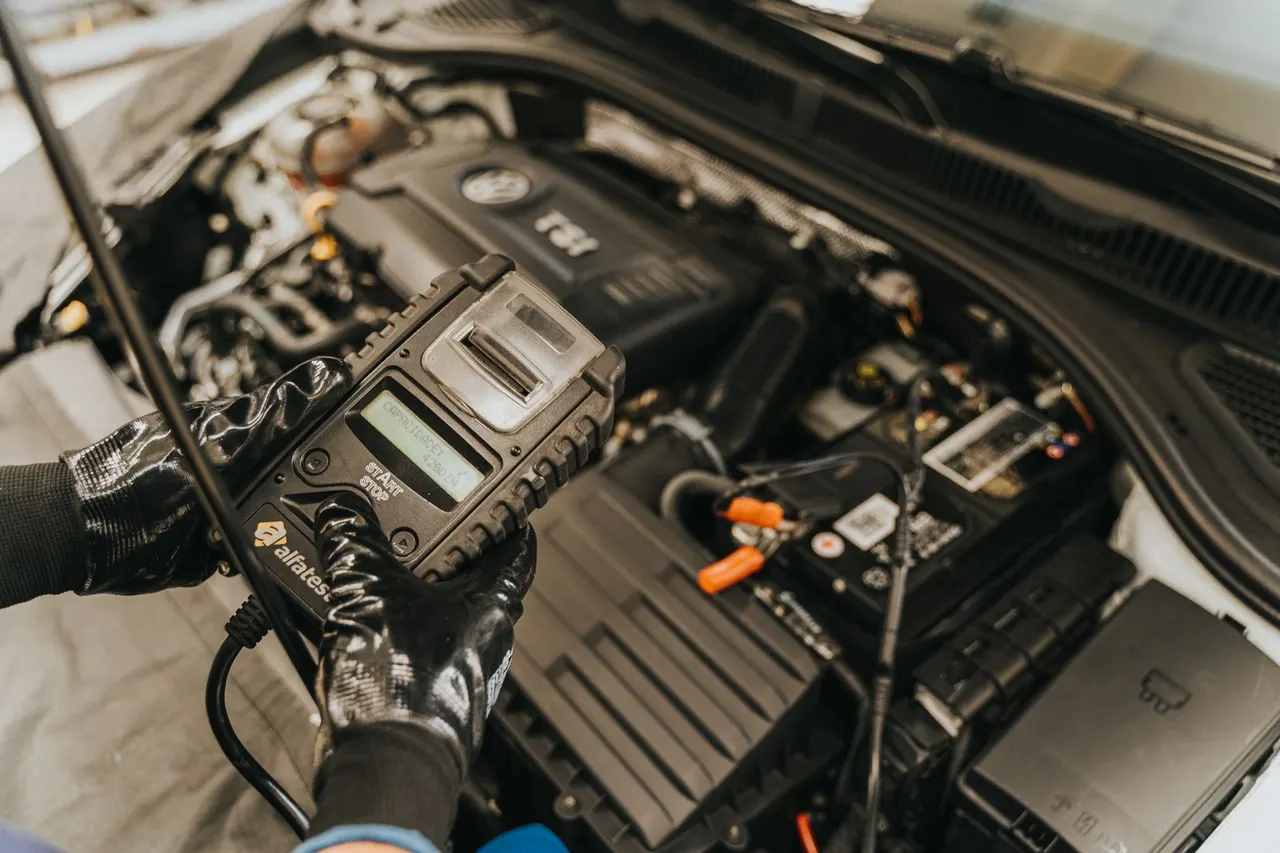
We take relative humidity readings in every room with an Extech hygrometer, then check suspect materials with a Protimeter moisture meter. A FLIR thermal imaging camera scans exterior walls and ceilings for temperature anomalies that indicate trapped moisture.

If readings suggest hidden mold, we collect air samples with a Zefon Air-O-Cell cassette and SKC air sampling pump, or surface samples with a tape lift kit. Samples go to LabCor with chain of custody forms for lab analysis.

You receive a written report within 24 to 48 hours with all readings, photos, and lab results. We walk you through the findings and outline next steps, whether that is improved ventilation, a targeted repair, or a full mold inspection.
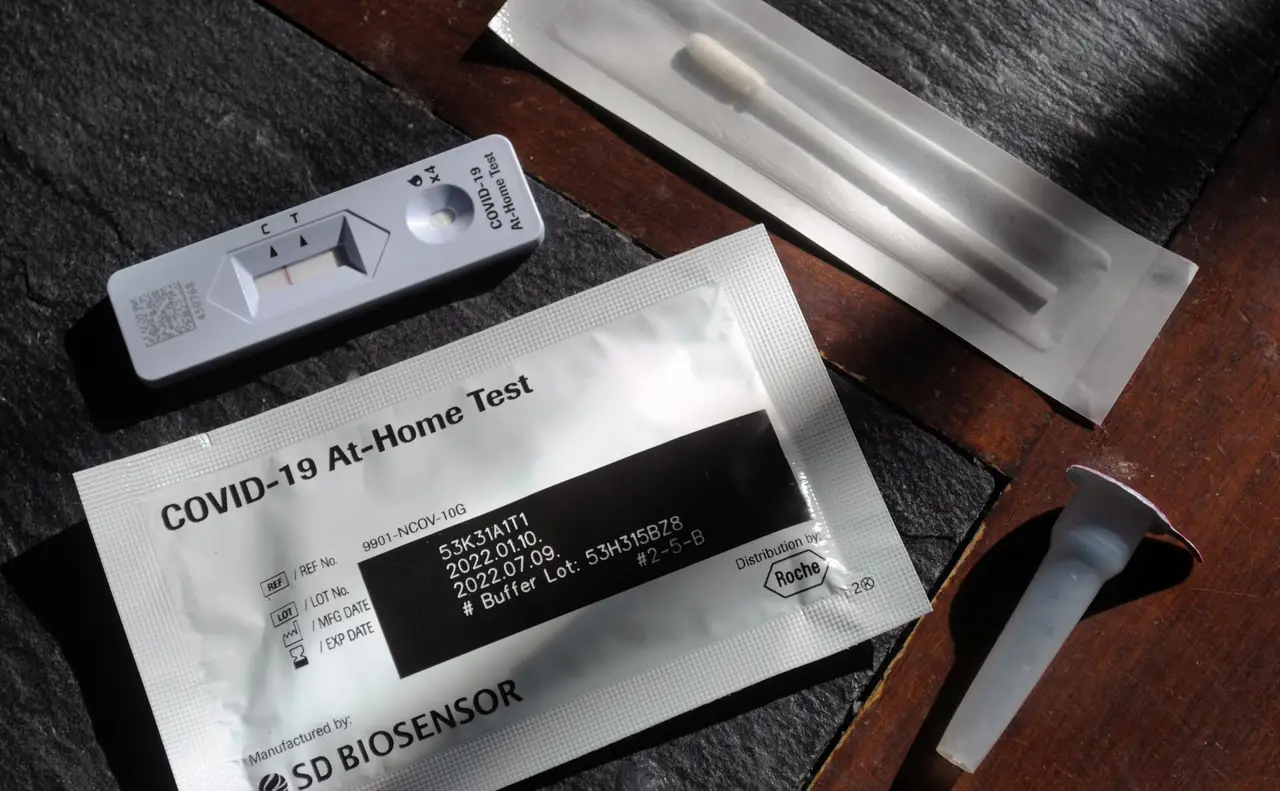
Measures relative humidity and temperature in each room. We use it to identify areas above 60% RH where mold risk is highest.

Pin-type meter that reads moisture content in wood, drywall, and framing. It confirms whether structural materials are damp.

Pinless meter that scans surfaces for moisture without leaving holes. We use it for quick checks on walls and floors.
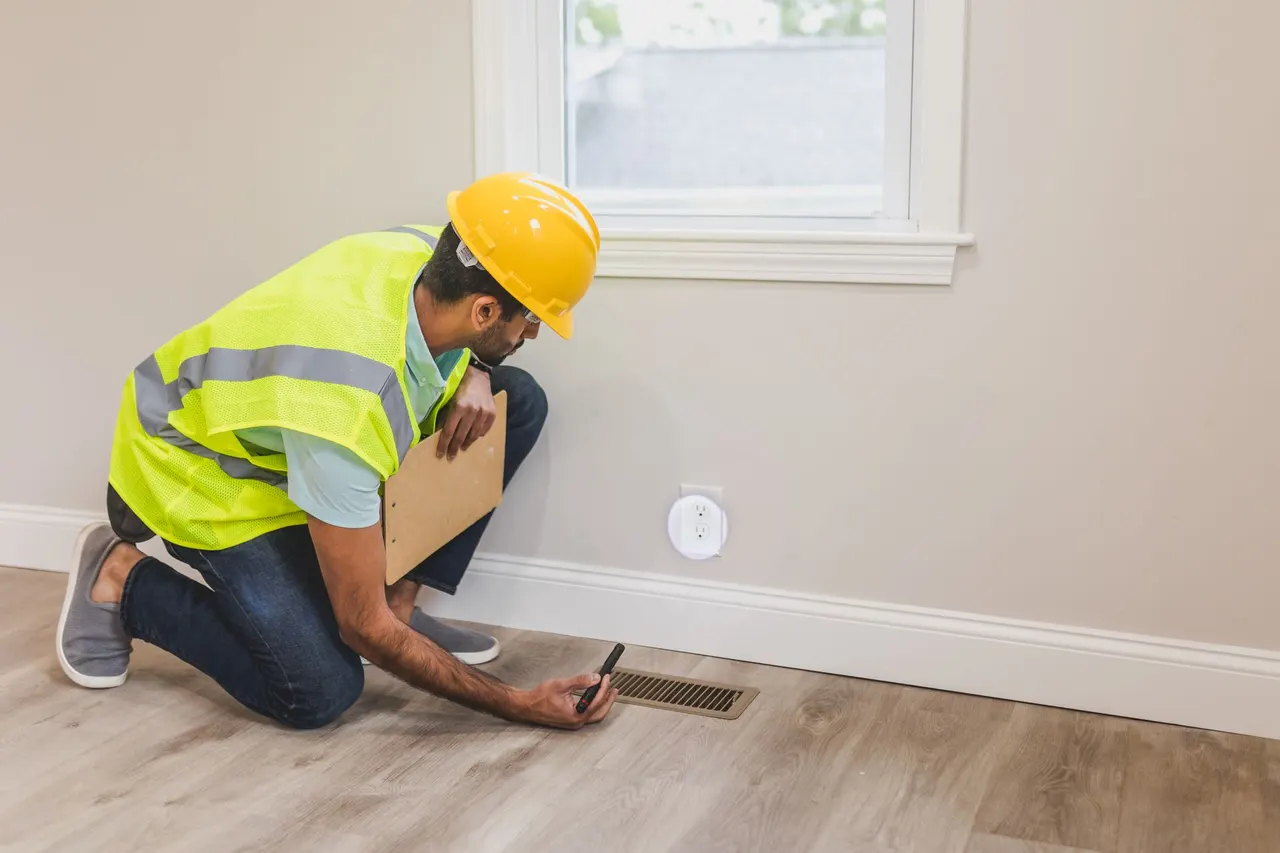
Detects temperature differences that indicate hidden moisture behind walls, ceilings, and floors. It guides where we take meter readings.
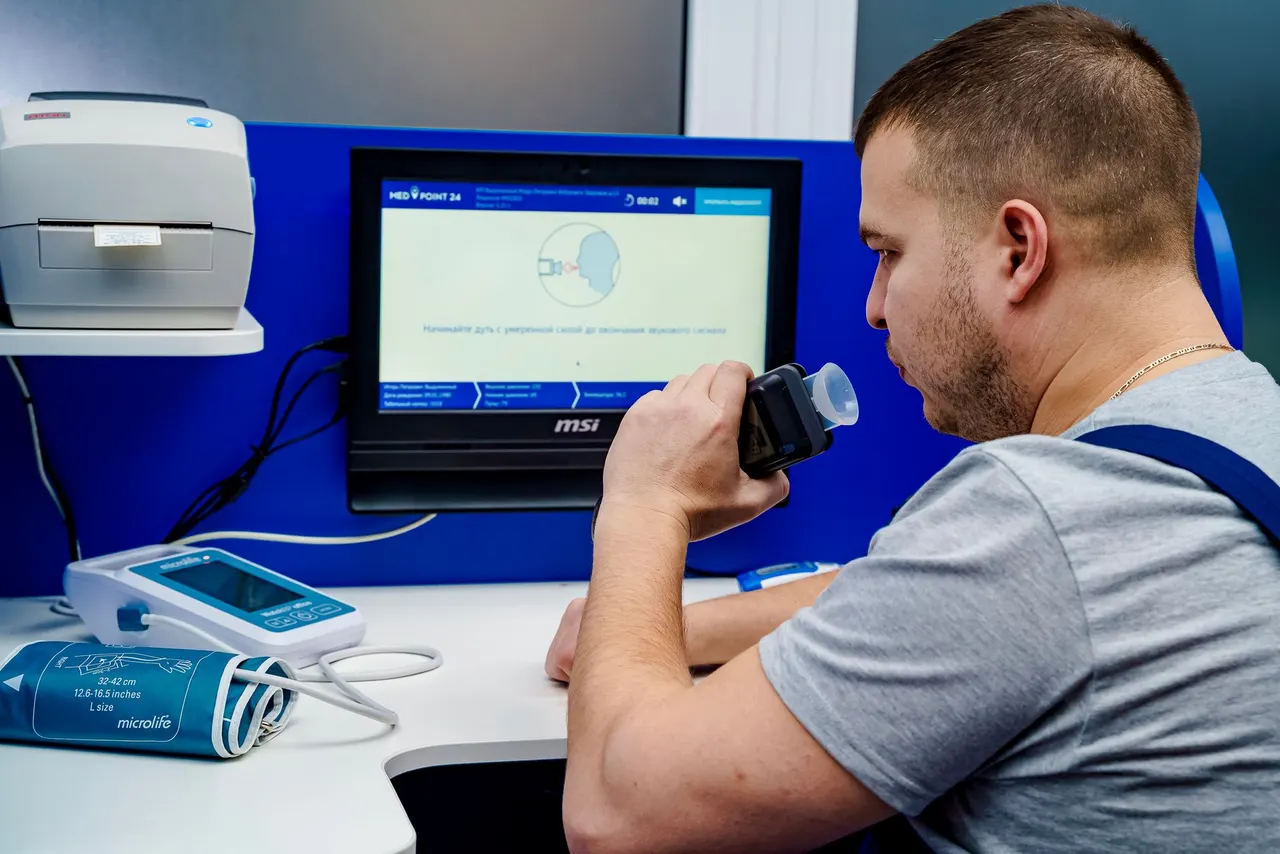
Collects airborne mold spores for lab analysis. We use it with an SKC air sampling pump to measure spore concentrations.
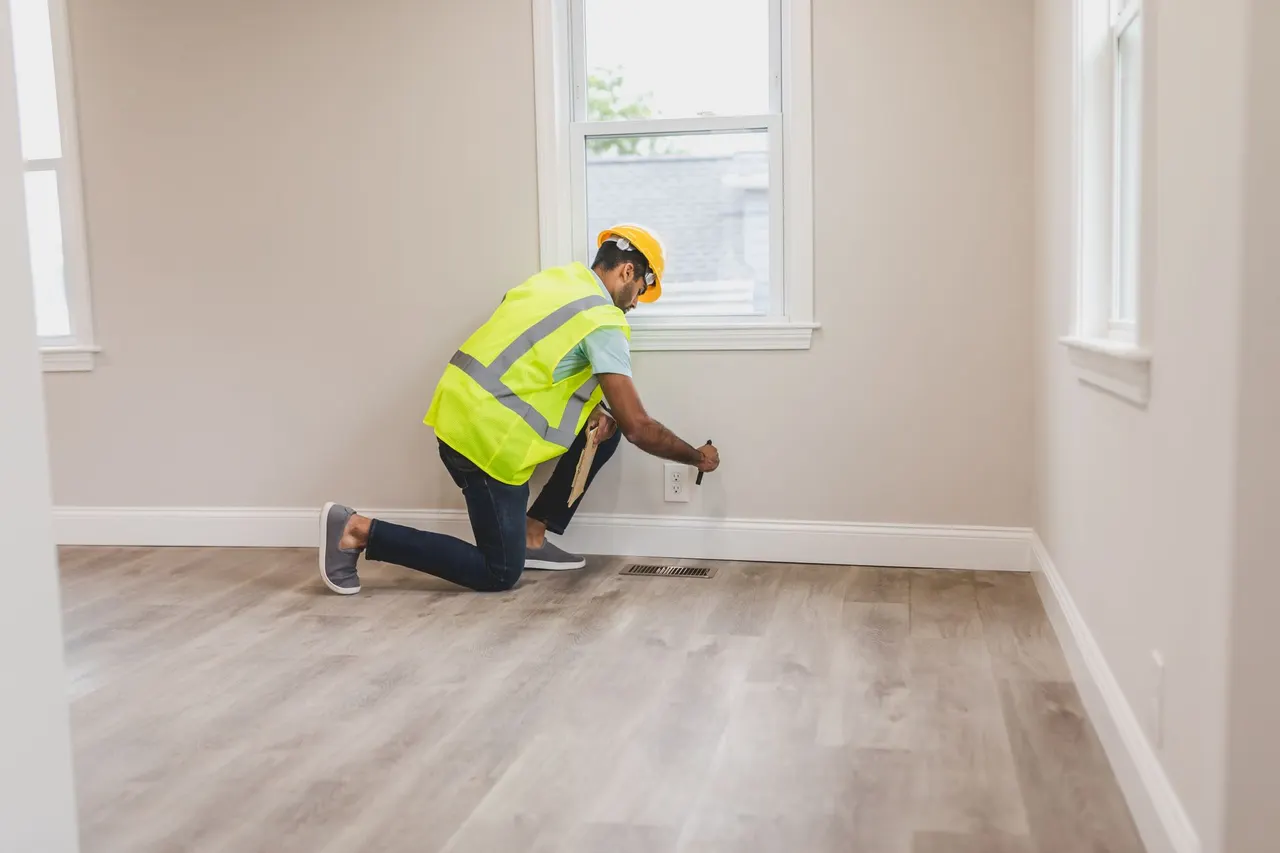
A slim camera that lets us see inside wall cavities and ductwork without demolition. It confirms what moisture meters suggest.

Measures airborne particle levels, including mold spores. It gives a real-time reading before we collect samples.

We follow IICRC standards for water damage restoration and mold remediation. These frameworks guide how we assess moisture, document findings, and recommend next steps.
We perform a full humidity test on the empty house, checking every room, the attic, and the crawl space. You get a written report showing current conditions and any areas that need attention before furniture and boxes go in. You move in knowing the house is dry, or you have documentation to ask the seller to fix a moisture issue before closing.
We schedule a visit, test humidity in the bathroom and adjacent rooms, and check the exhaust fan performance. If readings are high, we recommend specific fixes and provide a report you can share with the tenant and owner. The moisture issue is documented and resolved before it becomes a mold remediation project or a lease dispute.
We use a moisture meter and thermal camera to check the repaired area and surrounding materials. If we find residual dampness, we map it and recommend targeted drying. You know the repair is complete and the wall is dry, so you can close it up without worrying about hidden mold.
We perform humidity testing across affected areas, collect air and surface samples if needed, and provide a written report with chain of custody forms for any lab samples. You have the documentation your insurance adjuster needs and a clear picture of whether mold is present.
Meridian's climate creates two distinct moisture seasons. From November through March, cold outdoor air meets warm indoor air and condensation forms on windows, exterior walls, and attic sheathing. That is when we see the highest indoor humidity readings, often 65% or higher in bathrooms and crawl spaces. In summer, irrigation systems and dry heat can mask slow leaks that keep wall cavities damp for months. We adjust our testing approach based on the season and the home's construction. Older homes near Downtown Meridian often have crawl spaces with aging vapor barriers, while newer builds in Tuscany and Sierra Ridge may have tight envelopes that trap moisture without proper ventilation. If you need humidity testing in Northeast Meridian ID or anywhere in Ada County, we bring the right tools for your home's specific situation.
A 1950s bungalow had a musty smell and wood moisture readings of 24% on crawl space joists. Indoor humidity was 68% in the living room. The vapor barrier was torn in three places.
We documented the readings, recommended a vapor barrier repair and a crawl space dehumidifier. After repairs, wood moisture dropped to 12% and indoor humidity fell to 48%. No mold growth was found.
Check the vapor barrier each spring and keep the dehumidifier drain line clear. Retest humidity every two years.
A newer home had condensation on bathroom windows every morning. Humidity in the bathroom hit 72% after showers. The exhaust fan was undersized and vented into the attic.
We tested humidity and confirmed the fan was not moving enough air. The homeowner replaced it with a larger unit vented outside. Post-fix readings dropped to 55% and window condensation stopped.
Run the exhaust fan for 15 minutes after each shower and clean the grille every six months.
A rental property had a slow supply line leak under the kitchen sink. The cabinet was dry to the touch, but a moisture meter read 22% in the wall cavity behind it.
We mapped the moisture with thermal imaging and recommended targeted drying. After three days of air movers, readings returned to 10%. No mold was found.
Check under-sink cabinets monthly for drips and retest moisture after any plumbing repair.
These are the most common humidity issues we find in Meridian homes and businesses. Each one has a solution that starts with accurate testing.

We measure humidity in each room and check window frames for moisture. If readings are high, we identify the source, whether it is a bathroom exhaust issue, a crawl space vapor barrier problem, or oversized humidification. Condensation on windows signals indoor humidity above 60%, which can lead to mold growth on sills, frames, and nearby drywall.
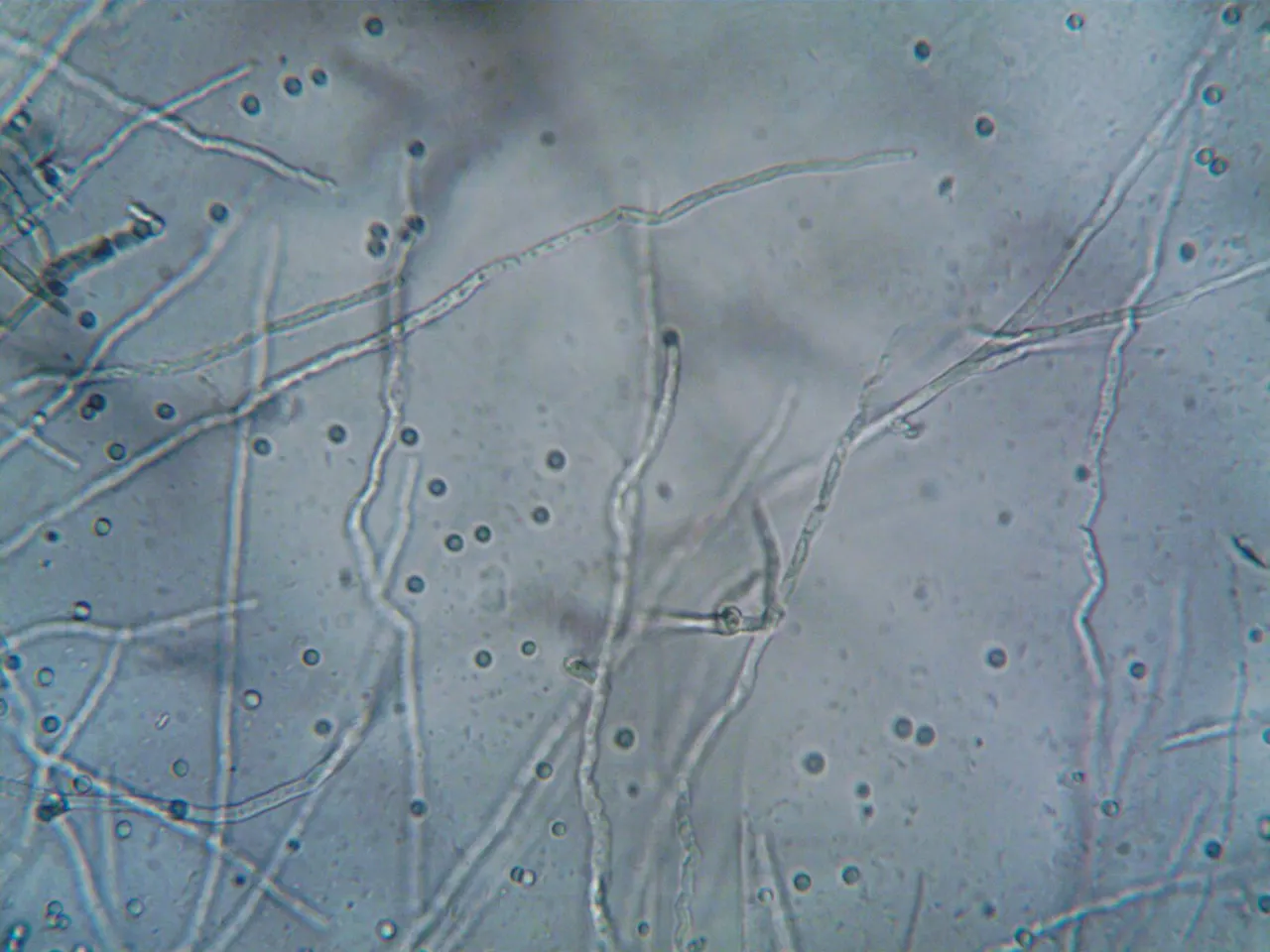
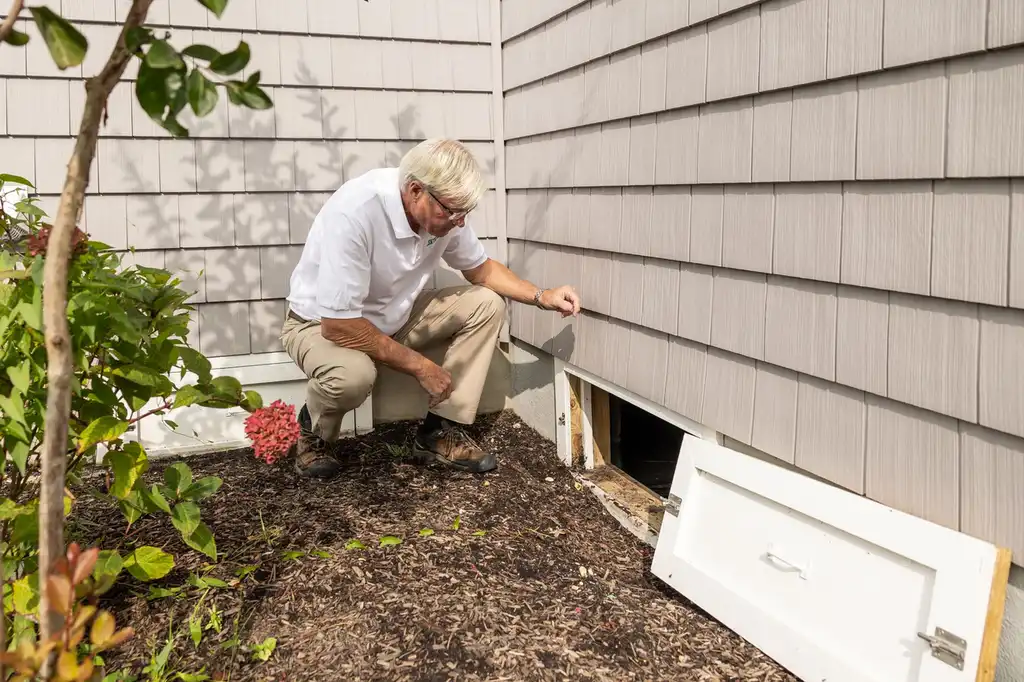
We test crawl space humidity and wood moisture with a Protimeter meter. If readings are above 20% on wood, we recommend a vapor barrier repair, ventilation, or encapsulation and can collect samples to confirm mold species. A musty odor usually means mold is already growing on joists or insulation. Crawl space mold can spread spores into living areas through the stack effect.
We use thermal imaging and moisture meters to confirm the structure is dry. If readings are still high, we map the remaining moisture and recommend targeted drying before mold starts. Even after visible water is gone, trapped moisture in walls and floors keeps indoor humidity elevated. That sustained dampness feeds hidden mold behind walls.
We check the air handler, coil, and drain pan with a hygrometer and boroscope. If we find standing water or microbial growth, we recommend HVAC mold testing and a targeted cleaning. A clogged condensate drain or dirty coil can add moisture to the air instead of removing it. That leads to HVAC mold and ductwork mold over time.
Mold needs sustained moisture above 60% relative humidity to colonize. Our indoor humidity testing Meridian ID flags rooms sitting at 65% or higher so you can dry them out before black mold growth starts behind drywall or under carpet.
A slow supply line leak or a clogged condensate drain can soak a wall cavity for months without visible damage. We pair moisture reading pins with a boroscope to confirm what is wet inside the wall, not just what feels damp on the surface.
High indoor humidity feeds HVAC mold and ductwork mold. We check return air and supply registers with a particle counter and hygrometer so you know whether your system is circulating damp air through every room in the house.
Buyers, sellers, and property managers need written moisture data. Our reports include room-by-room readings, photos, and chain of custody forms when samples go to LabCor, giving you documentation that holds up during a transaction.
Clear records you can keep and share.
Room-by-room readings with photos
Scans showing hidden moisture areas
Species-level analysis if samples collected
Humidity testing measures moisture in air and materials. It shows where conditions favor mold, but it does not confirm mold species without sampling.
Air humidity tells you about comfort and mold risk. Surface moisture tells you if materials are wet. We measure both.
Thermal imaging and moisture meters find dampness behind walls. They guide where to sample if mold is suspected.
Only lab analysis confirms mold species. We collect samples when readings suggest active growth.
Outside these areas? Call and we will let you know if we can help. (208) 823 1178
Most residential humidity testing jobs in Meridian run $180 to $450 in 2026, depending on square footage and how many rooms need sampling. A basic single-family home with four to six rooms typically falls at the lower end. Adding air sampling or thermal imaging raises the total. We give you a flat quote before we start, so there are no surprises.
Mold growth typically begins when indoor relative humidity stays above 60% for more than 48 hours. In Meridian, winter humidity often climbs into the 65-70% range in bathrooms and crawl spaces. We flag any room reading 60% or higher and recommend targeted ventilation or dehumidification to bring it below 50%.
Meridian Mold Testing provides humidity testing across Ada County, including Downtown Meridian, Northeast Meridian, and Southeast Meridian. We serve ZIP codes 83642, 83646, and 83680. Our technicians are IICRC and ACAC certified and use calibrated Delmhorst, Protimeter, and FLIR equipment on every job.
Yes. We use thermal imaging to spot temperature differences that indicate trapped moisture, then confirm with a moisture meter and boroscope. If readings suggest active growth, we collect surface or air samples for lab analysis. This approach finds hidden mold behind walls, under floors, and in wall cavities without tearing your home apart.
Damp air does not fix itself. Call (208) 823 1178 and we will schedule a humidity test at your Meridian property, often the same day. You get calibrated readings, a written report, and a clear plan to stop mold before it starts.
Call us at (208) 823 1178 or email info@meridianmoldtesting.com to schedule your inspection. We answer calls Monday through Friday from 8:00 AM to 6:00 PM. If you reach us after hours, leave a message and we will call you back first thing the next morning.