Written report
Lab data, photos, and moisture readings.
Flood Mold Testing in Meridian is the fastest way to know whether standing water left mold behind your walls, under your floors, or inside your HVAC system. We test homes and businesses across Ada County after burst pipes, storm flooding, and sewage backups. If you had water intrusion in the last 30 days, mold can start growing in 24 to 48 hours. Call us at (208) 823 1178.
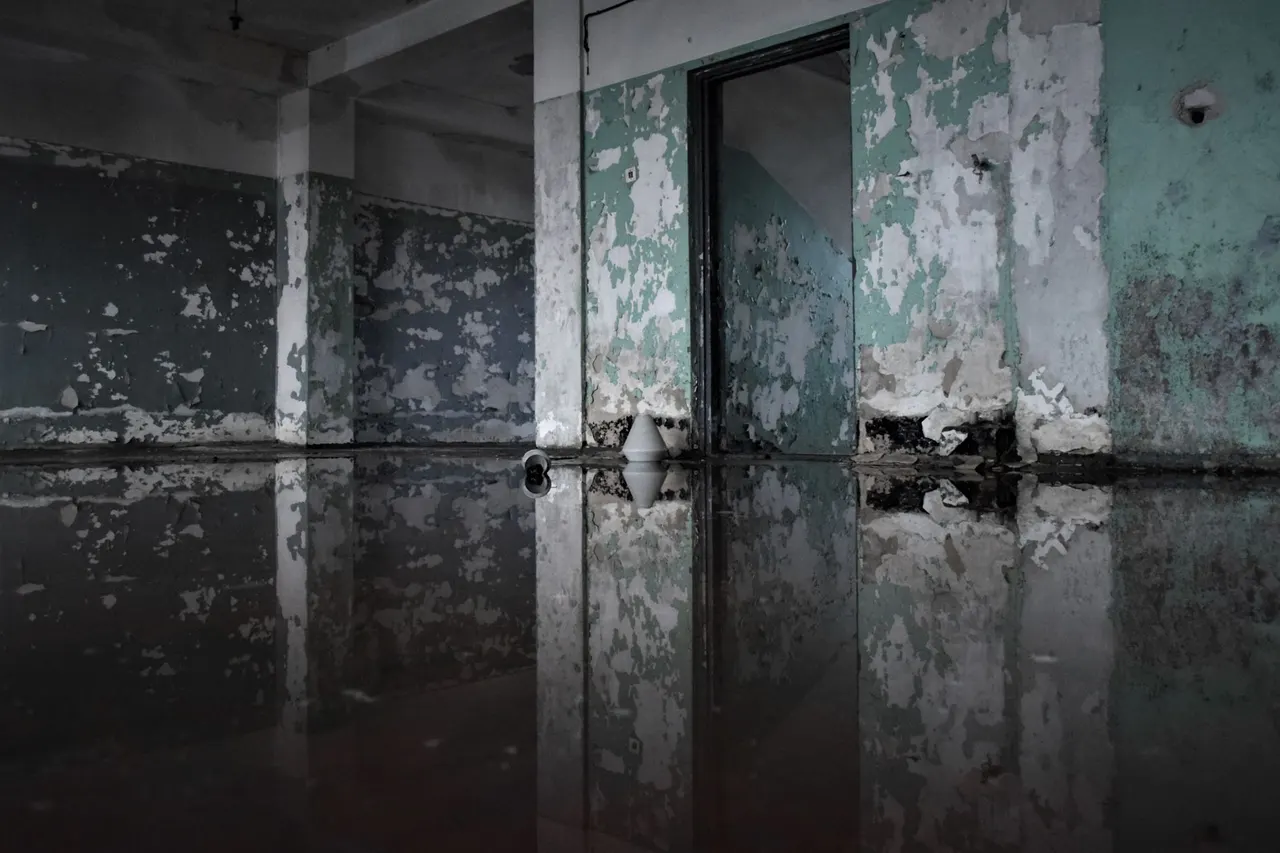
Every flood mold testing package includes a visual inspection, moisture mapping, air and surface sampling, lab analysis, and a written report. We tailor the number of samples to your property size and flood extent. Additional services like HVAC testing or crawl space inspection are available as add-ons.
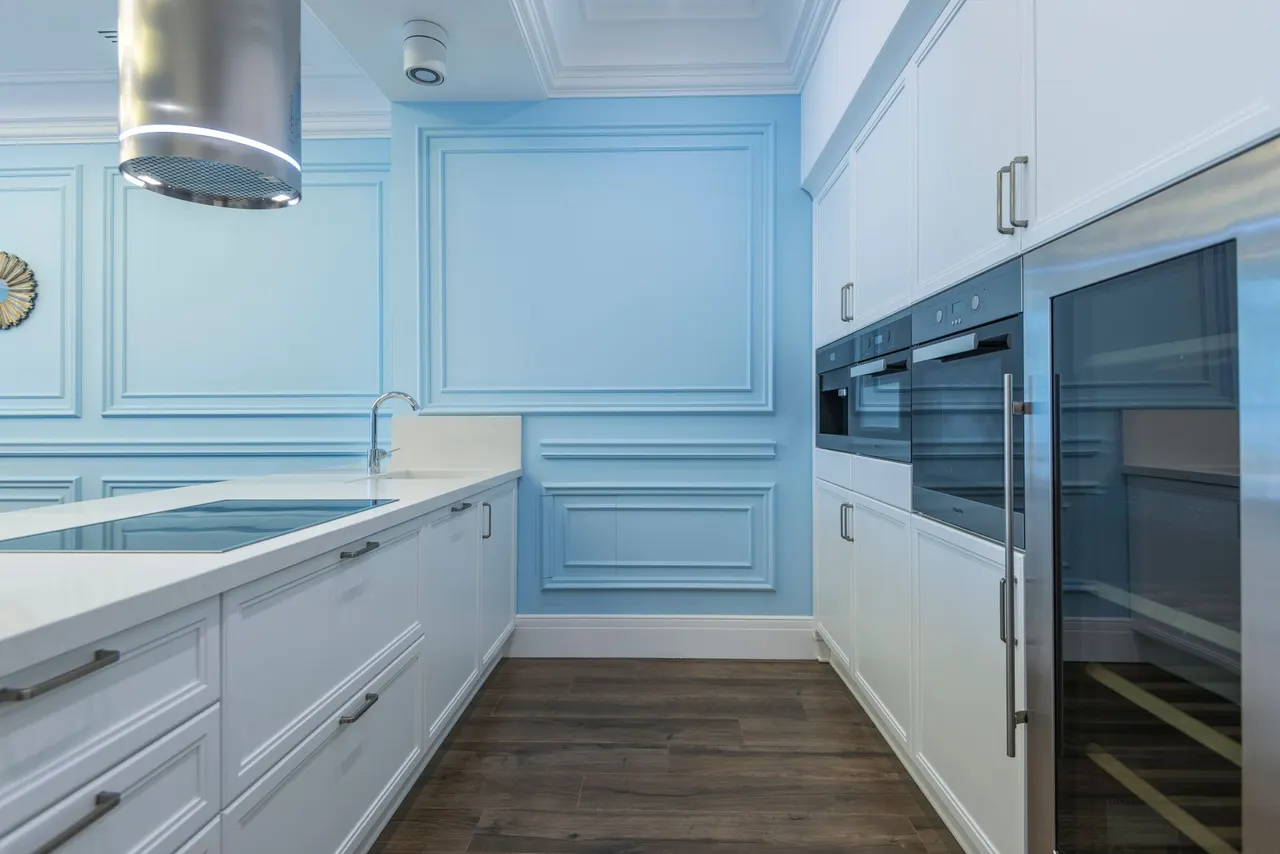
We test houses after burst pipes, appliance leaks, and storm flooding. You get lab results and a report you can use for insurance or repairs.
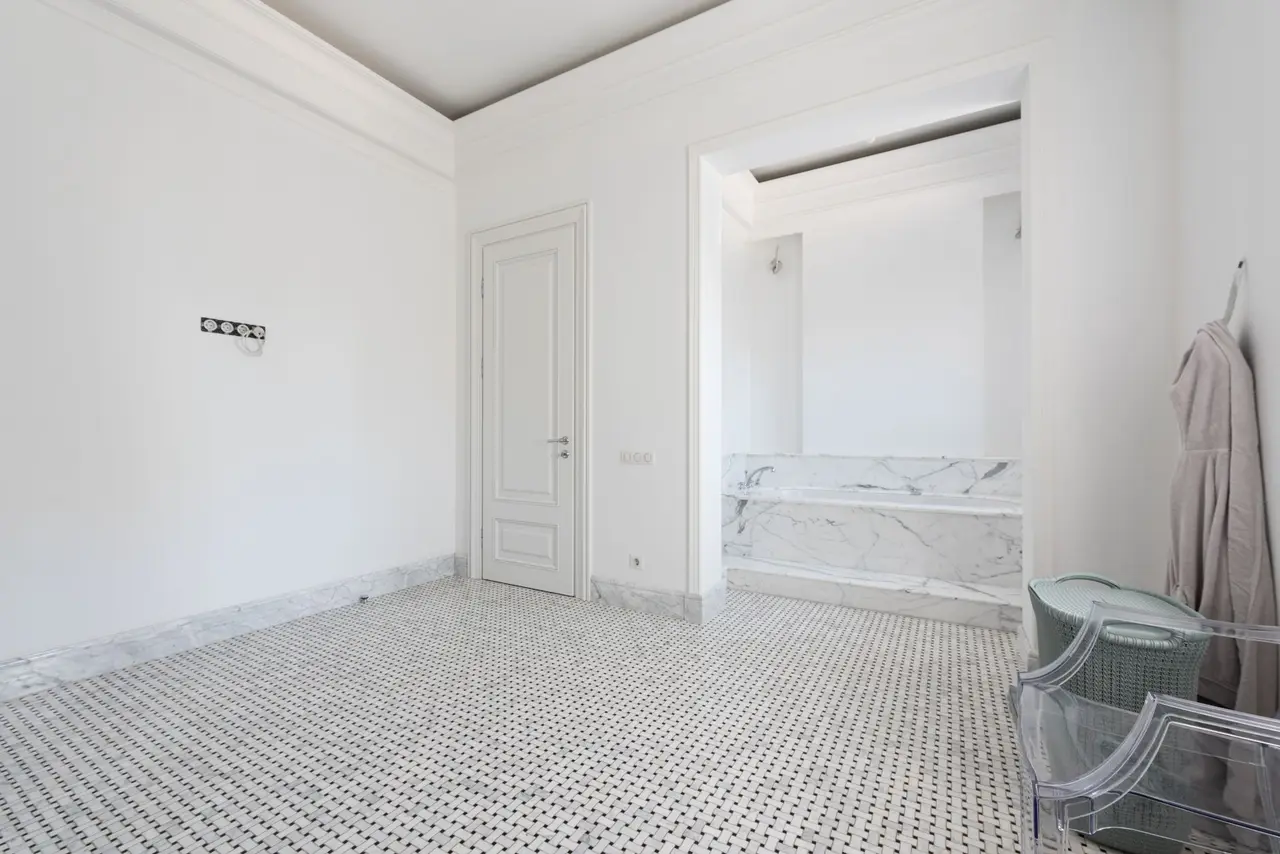
We test offices, retail spaces, and rental properties after water damage. Our reports help you document conditions for tenants, insurers, and health departments.
Flood Mold Testing in Meridian is a diagnostic service that measures moisture, collects air and surface samples, and confirms whether mold is growing after a flood or water leak. We use moisture meters and thermal imaging cameras to map wet areas behind drywall and under flooring. Then we pull air samples with an SKC pump and Air-O-Cell spore trap cassettes, and take surface samples with tape lift kits or swabs. Samples go to LabCor for analysis, and you get a written report with spore counts and species identification.
Meridian homeowners call us after three main events: a water heater failure that soaked the utility room, a supply line break behind a kitchen wall, or a sewage backup in the basement. Each one leaves hidden moisture that a shop fan will not dry out. If you search for flood mold test near me Meridian after a weekend leak, you need someone who can read moisture behind tile and inside wall cavities. We do that with a boroscope and a Protimeter hygrometer, then document everything for your insurance claim.
We measure moisture first, then sample the air and surfaces to confirm mold.
We follow a five-step process that takes two to four hours on site and delivers a written report within 24 to 48 hours. Every step is documented for your records.
When you call (208) 823 1178, we ask when the flood happened, what caused it, and how long water sat. That tells us whether to prioritize air sampling or surface sampling. We schedule same-day flood mold testing Meridian appointments when you call before noon.
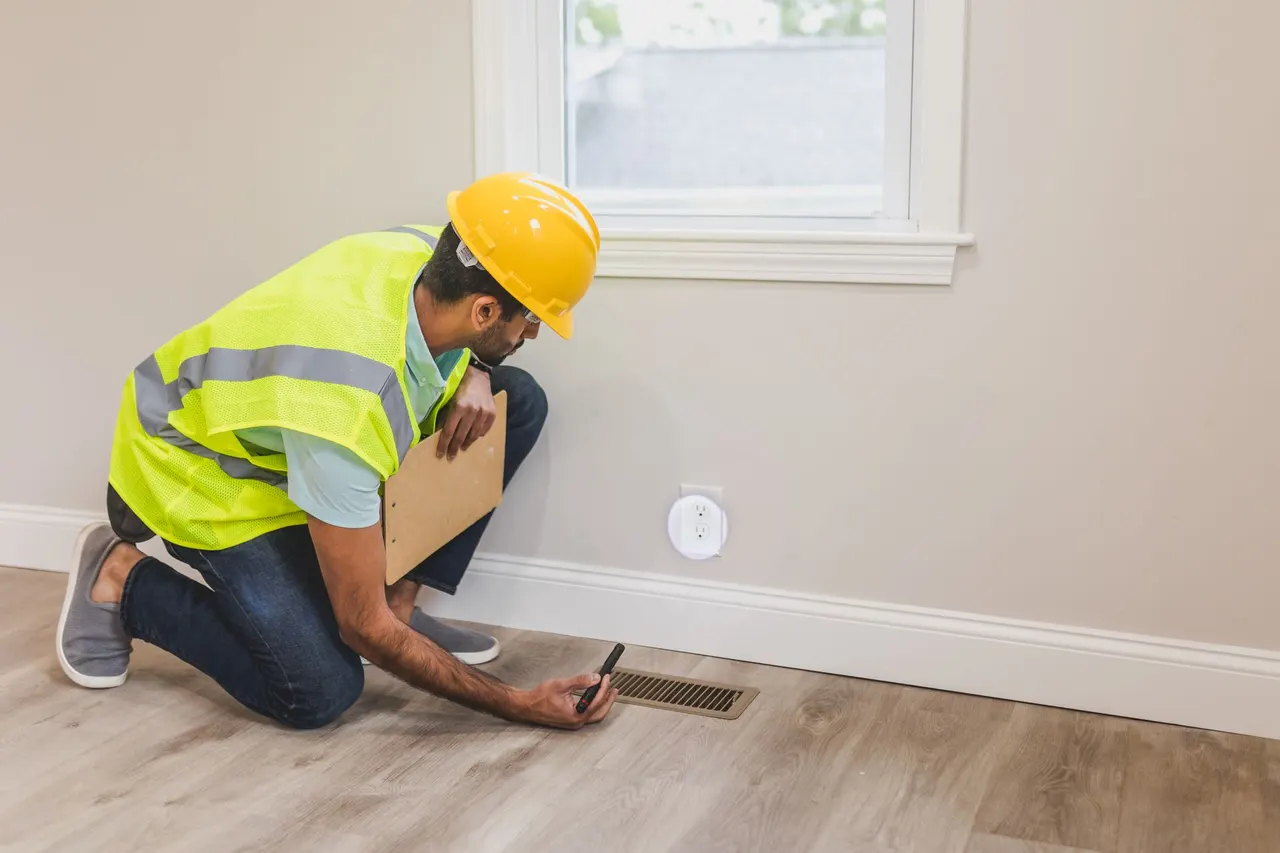
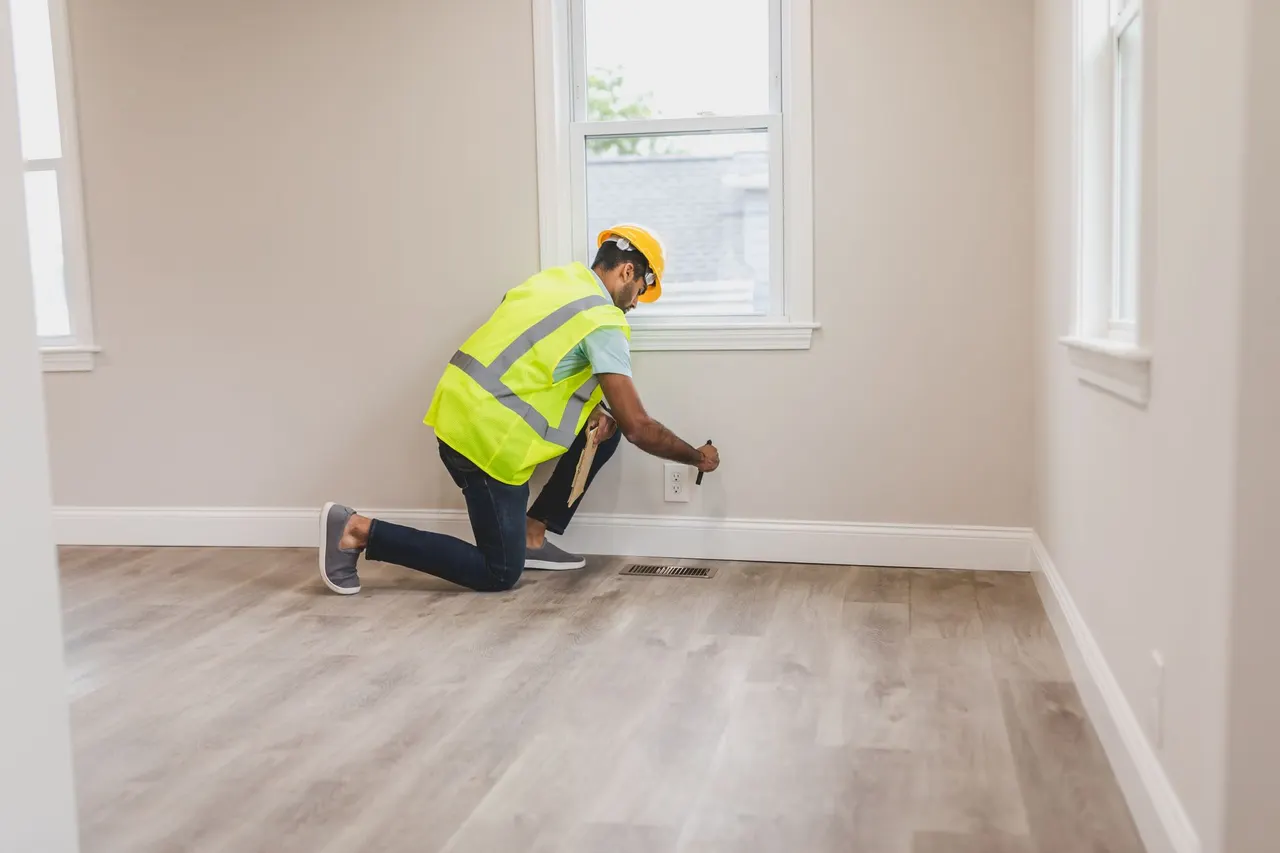
On site, we use a Protimeter moisture meter and a FLIR thermal imaging camera to map wet areas. We check baseboards, wall cavities, and subfloor. This takes 30 to 45 minutes and shows us exactly where to sample. You see the readings on screen.
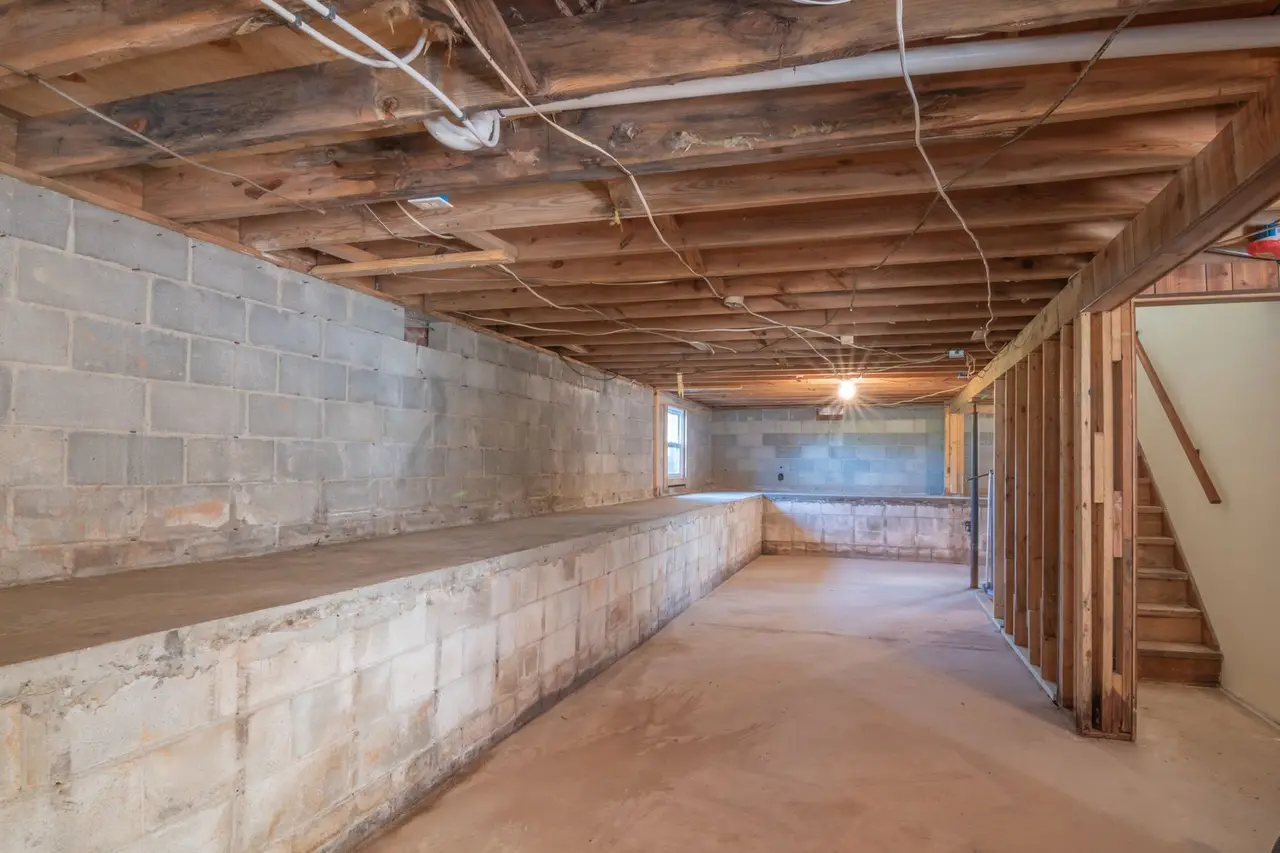
We set up an SKC air sampling pump with a Zefon Air-O-Cell cassette to pull a known volume of air, usually 75 liters over five minutes. Then we take surface samples with tape lift slides or swabs from visible growth. Each sample is labeled and logged on a chain of custody form.

Samples ship to LabCor the same day. The lab cultures and identifies mold species, then counts spores per cubic meter. Results come back in 24 to 48 hours. We call you with a summary before the written report arrives.

You get a report with lab data, photos, moisture readings, and a clear recommendation: monitor, remediate, or clear. We walk you through it by phone or on site. If you need a remediation referral, we provide names, but we do not do remediation ourselves.
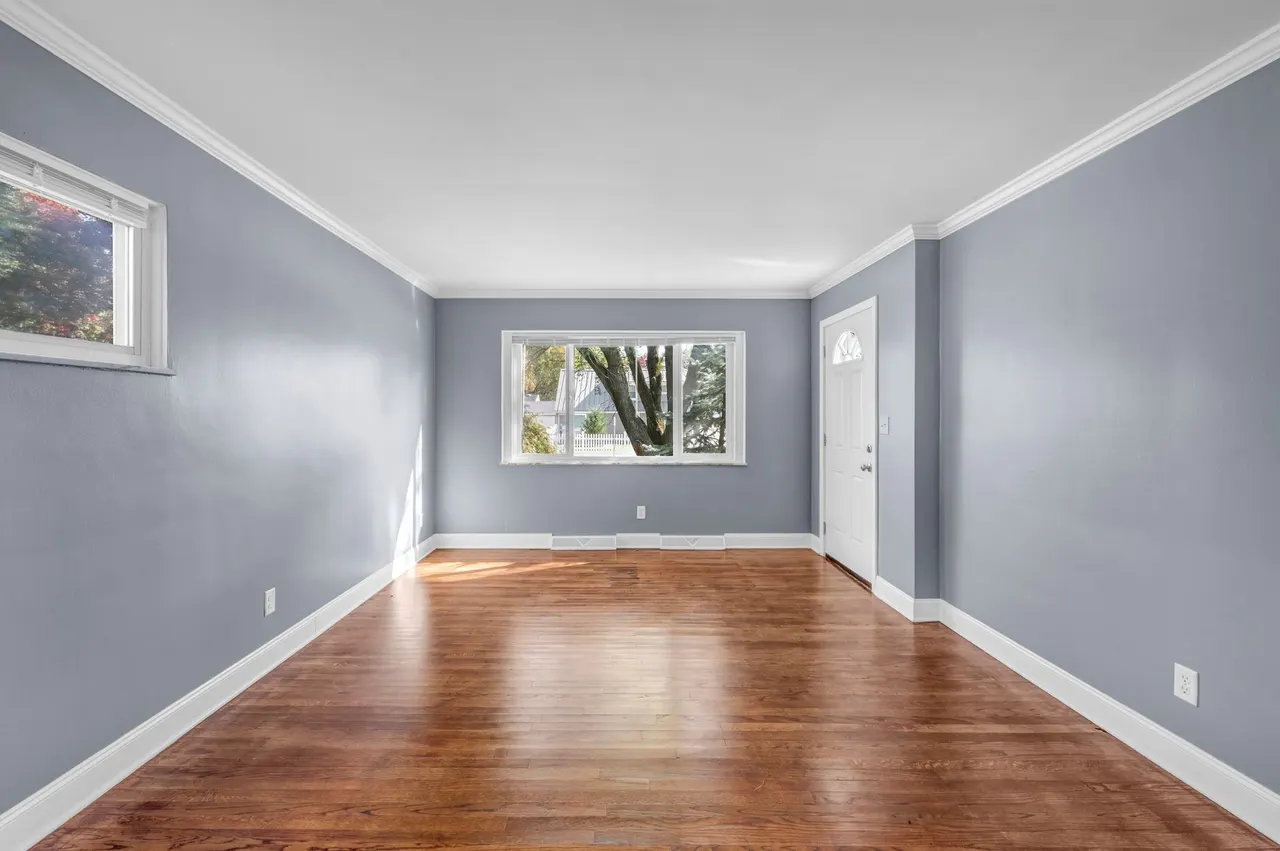
Measures moisture content in drywall, wood, and concrete. We use it to find wet areas that are not visible.

Detects temperature differences caused by moisture. It helps us see behind walls and under floors without demolition.
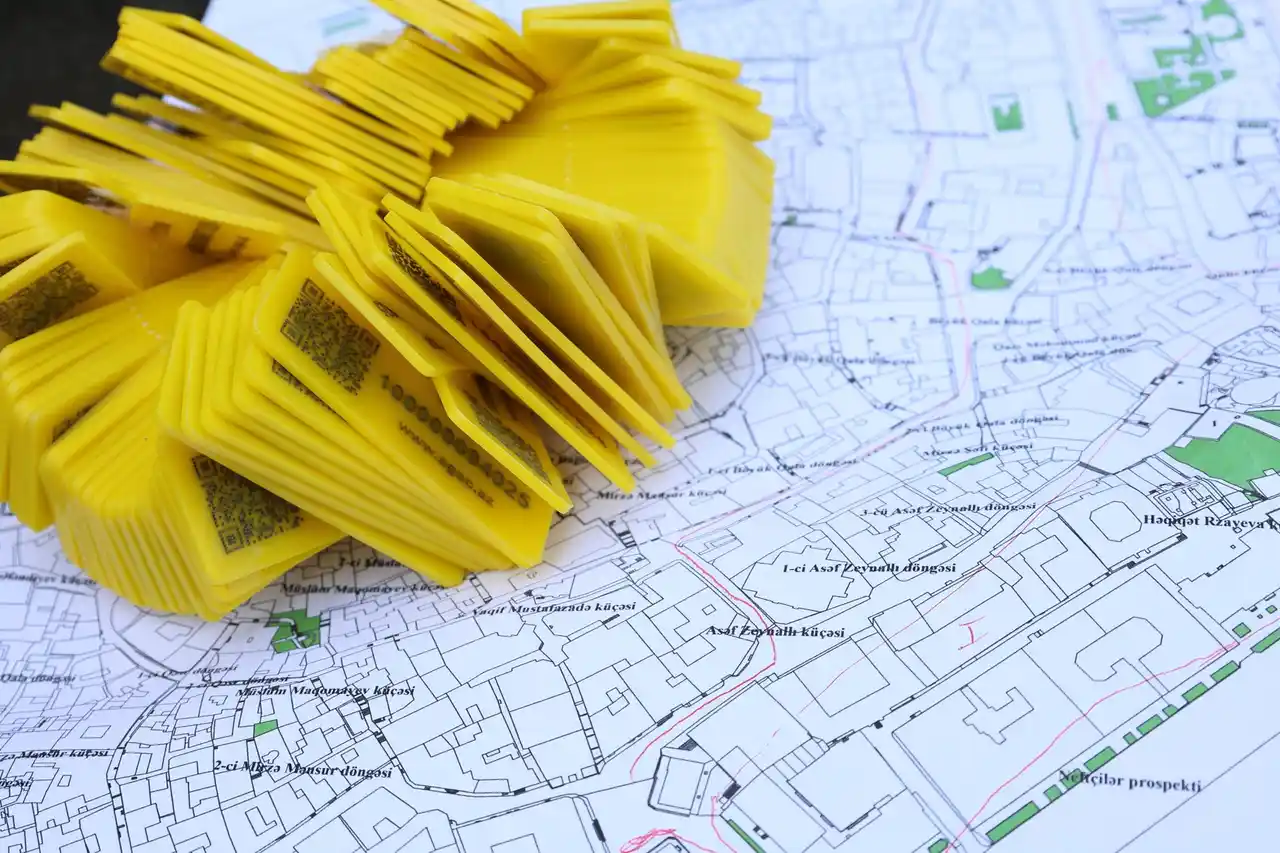
Draws a known volume of air through a spore trap cassette. We use it to measure airborne mold spores.

Collects airborne spores for lab analysis. It captures particles of different sizes for accurate identification.
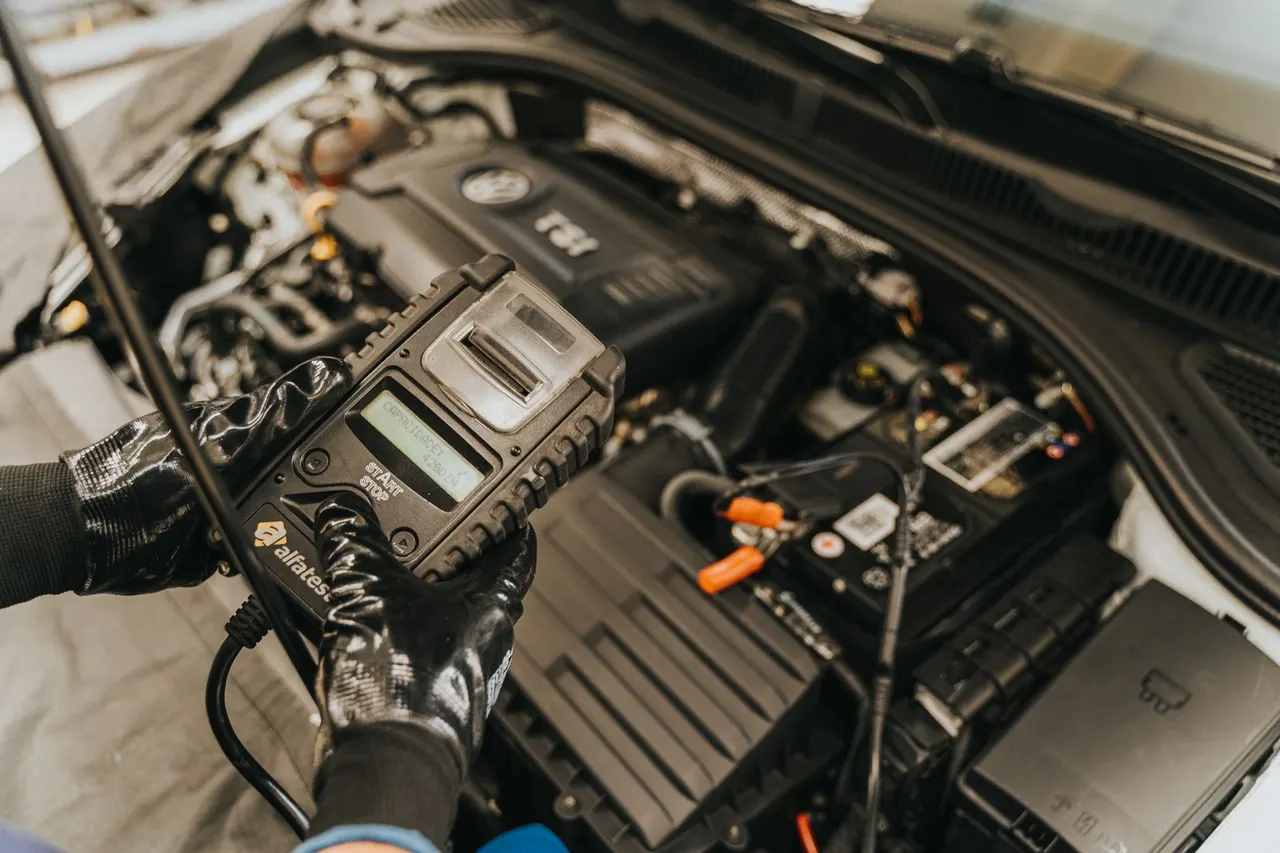
A camera on a flexible rod that lets us see inside wall cavities, ducts, and crawl spaces without cutting holes.
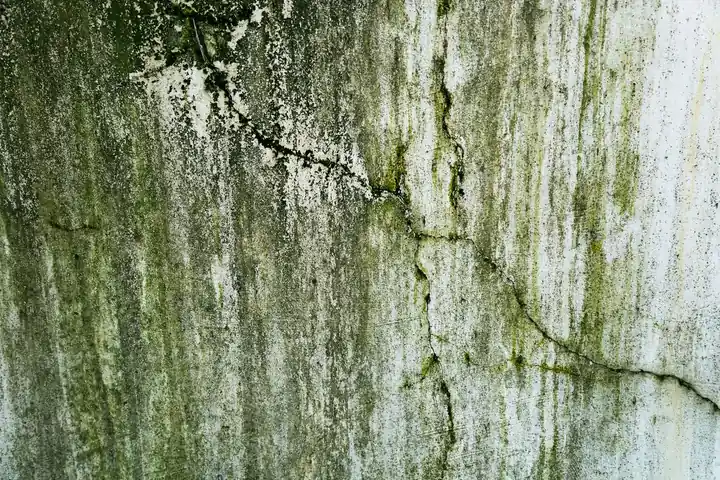
A pin-type meter for measuring moisture in wood framing and subfloor. It gives us precise readings for documentation.
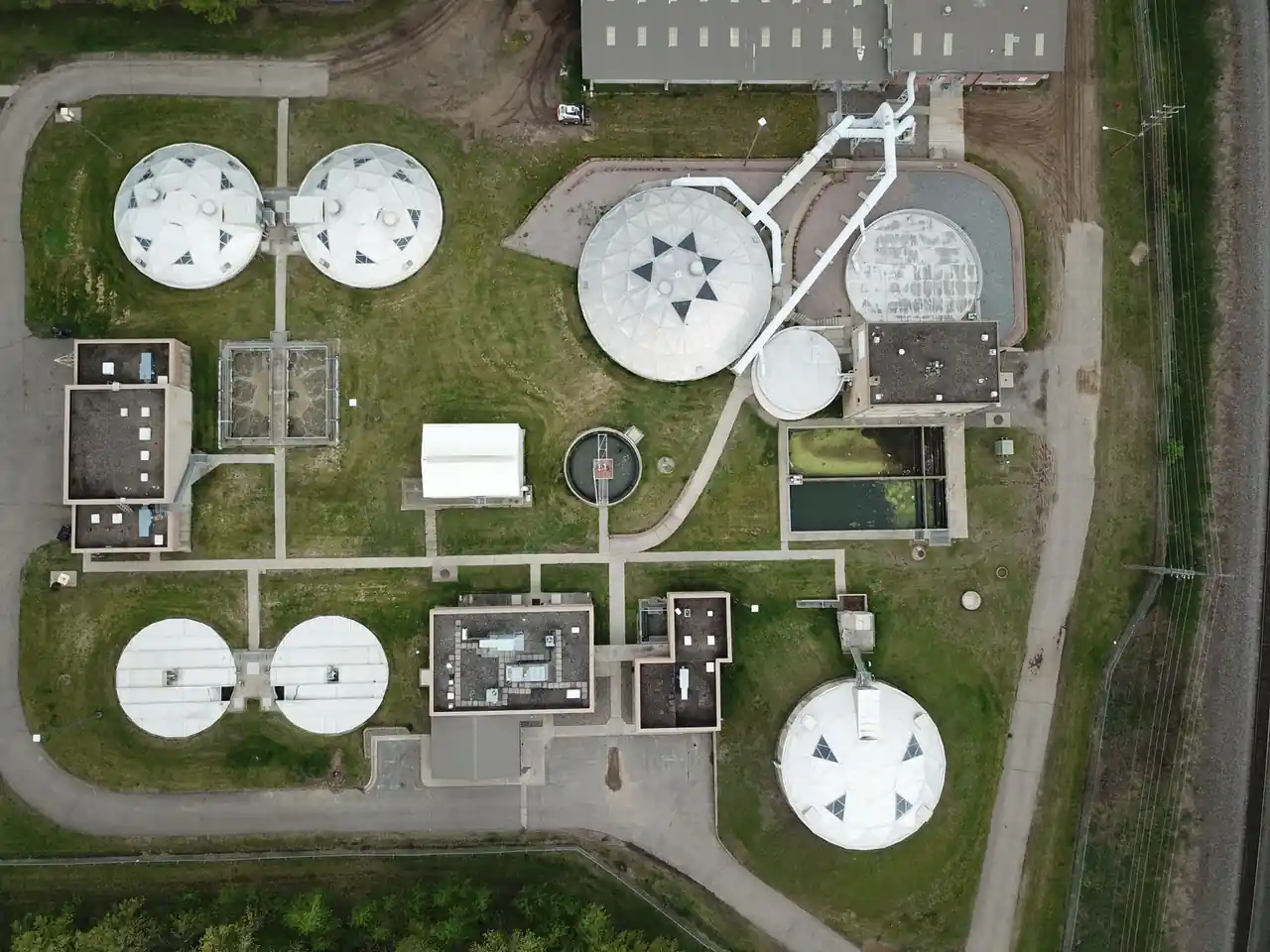
Measures airborne particle concentrations. We use it to assess overall air quality and verify HVAC cleanliness.

We follow the IICRC S520 standard for mold assessment. This includes a visual inspection, moisture mapping, and air sampling. It ensures our process meets industry guidelines for mold testing.
We test the carpet, pad, and baseboards for mold. We also check the crawl space and HVAC if the water reached them. Air samples tell you if spores are circulating. You know whether to replace carpet or just dry it. If mold is present, you have documentation for insurance.
Fans do not dry inside wall cavities. We use thermal imaging and a moisture meter to check behind cabinets and inside walls. If moisture remains, we sample for mold. You avoid tearing out cabinets unnecessarily. If mold is found, we map it so remediation is targeted.
We test for residual mold and moisture. Even if the seller says it was remediated, we verify with air and surface samples. We also check for hidden mold in crawl spaces and attics. You get peace of mind before closing. If mold is found, you can negotiate repairs or walk away.
We perform an unbiased test to determine if mold is present. Our report can be used by both landlord and tenant to resolve the issue. You have third-party documentation. If remediation is needed, you can schedule it with confidence.
Meridian's climate is semi-arid, but that does not stop mold after a flood. Winter freezes can burst pipes, and spring rain can overwhelm sump pumps. When water enters a home, our dry air actually pulls moisture into walls faster, so mold can start in 24 hours. We test homes in Downtown Meridian, Northeast Meridian, Southeast Meridian, Southwest Meridian, Northwest Meridian, Paramount, Sierra Ridge, Tuscany, and Pine Tree. Older homes near downtown often have crawl spaces that stay damp. Newer homes in Tuscany and Sierra Ridge are tightly built, so moisture from a flood can get trapped in wall cavities. If you need flood mold testing in Southwest Meridian ID, we know the soil there holds water after storms. We also test for mold after sewage backups, which are common in basements with aging pipes.
A sump pump failed during a spring storm and the basement carpet was soaked for two days. The homeowner dried it with fans but noticed a musty smell a week later.
We found elevated spore counts in the air and mold on the carpet pad. The homeowner replaced the pad and had the carpet cleaned. A retest showed spore counts back to normal levels.
Install a battery backup sump pump and check it every spring. Keep indoor humidity below 50 percent with a dehumidifier.
A supply line to the refrigerator leaked behind the wall for a week before the homeowner noticed warped flooring. The wall cavity was still wet.
Thermal imaging showed moisture in the wall. Air samples confirmed aspergillus mold. We mapped the extent, and the homeowner had a remediation company remove the affected drywall. Clearance testing passed.
Check supply lines behind appliances annually. Replace plastic lines with braided stainless steel.
A heavy rain caused a sewage backup in an older home's basement. The homeowner cleaned the visible mess but was concerned about mold.
We tested for mold and bacteria. Lab results showed elevated mold spores and E. coli. The homeowner hired a remediation company for full cleanup. Post-remediation testing confirmed the basement was clear.
Have your sewer line inspected every two years. Install a backwater valve to prevent future backups.
Floods leave behind more than water. We solve the hidden problems that cause mold, odors, and health issues if left unchecked.

We use air sampling and thermal imaging to find the source of the odor. Once we locate the mold, we document it and recommend targeted removal. You get rid of the smell and the problem. Musty odors mean mold is actively growing. Ignoring it lets mold spread through walls and HVAC, increasing remediation costs and health risks.

We use a boroscope and moisture meter to check inside wall cavities without cutting holes. If we find mold, we map its extent so remediation can be precise. Mold behind drywall can grow for weeks before you see it. By then, it may have spread to framing and insulation, requiring major demolition.
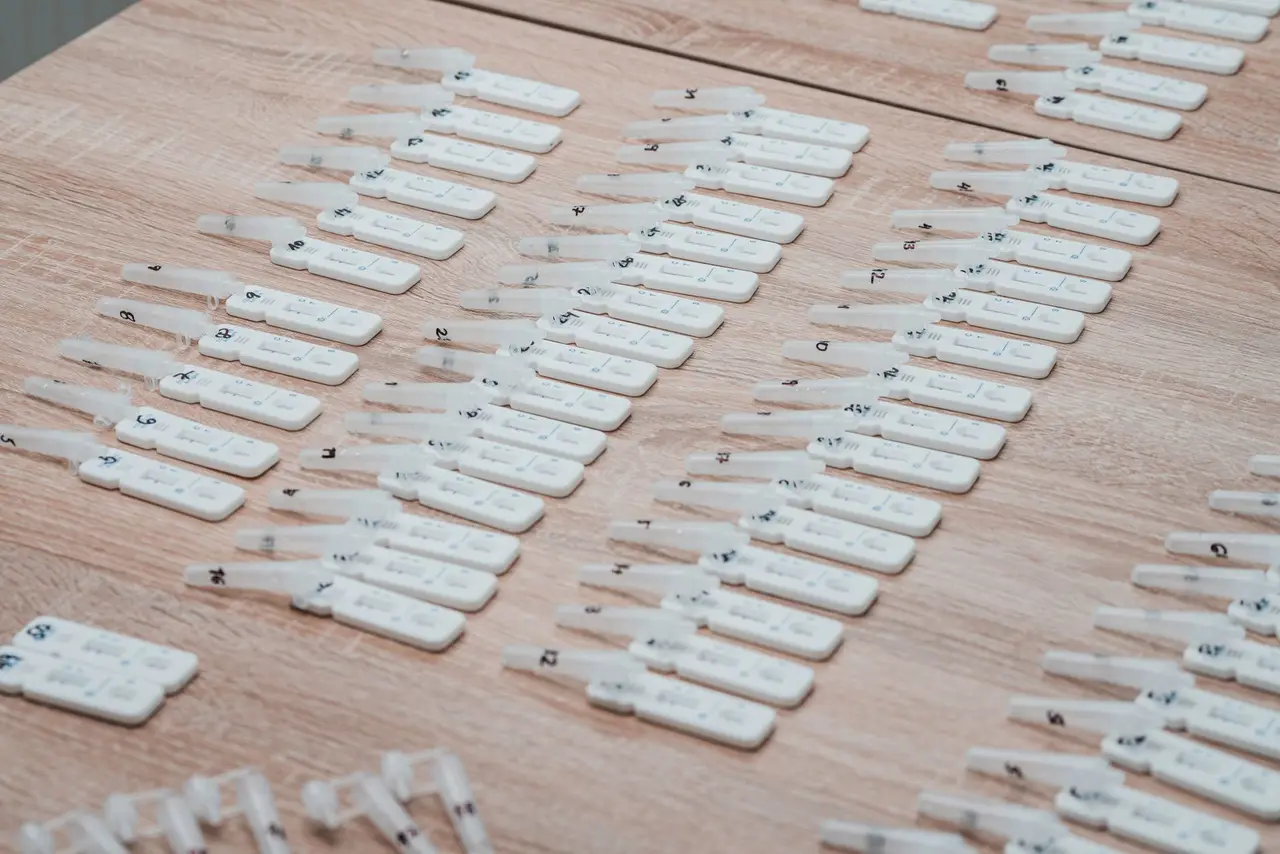
We test crawl space joists, insulation, and soil. Our report tells you whether you need encapsulation, ventilation, or remediation. We also check humidity levels to prevent recurrence. Crawl space mold can spread upward into living areas. It also damages joists and subfloor, leading to structural issues.

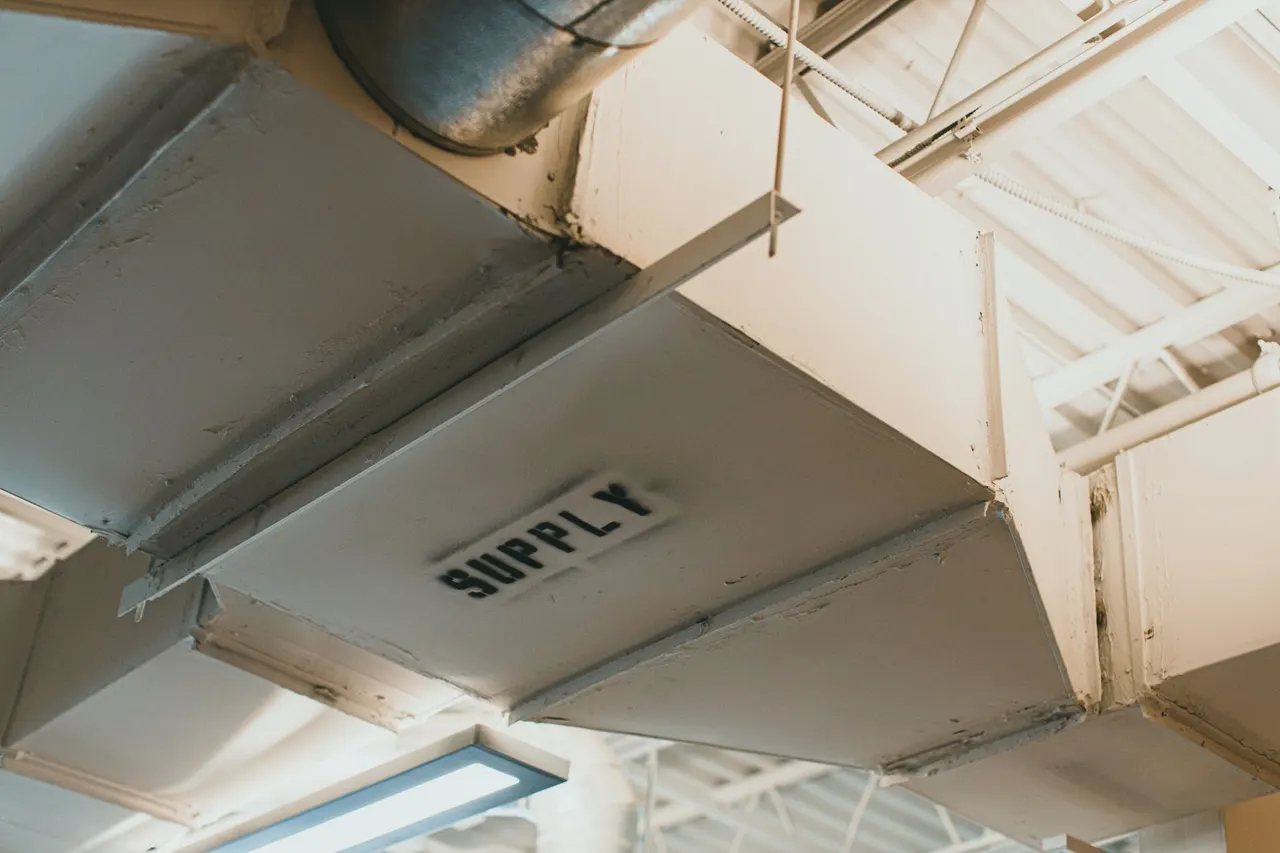
We test the air handler and ductwork with a borescope and particle counter. If mold is present, we recommend duct cleaning and retesting. We can also test after cleaning to confirm clearance. If mold grows in your air handler or ducts, every time the system runs it spreads spores through the house. This can cause allergies and respiratory issues.
We can detect mold growth within one day of a flood because we measure moisture first, then sample the air. If your drywall reads above 16 percent moisture content on a Delmhorst meter, we know mold is likely. Early detection means a smaller remediation scope and less demolition.
Our reports include moisture mapping, thermal images, and lab results from LabCor. Adjusters accept these because they show spore counts before and after. If you file a claim for flood mold testing cost Meridian Idaho, this documentation supports your case and speeds up approval.
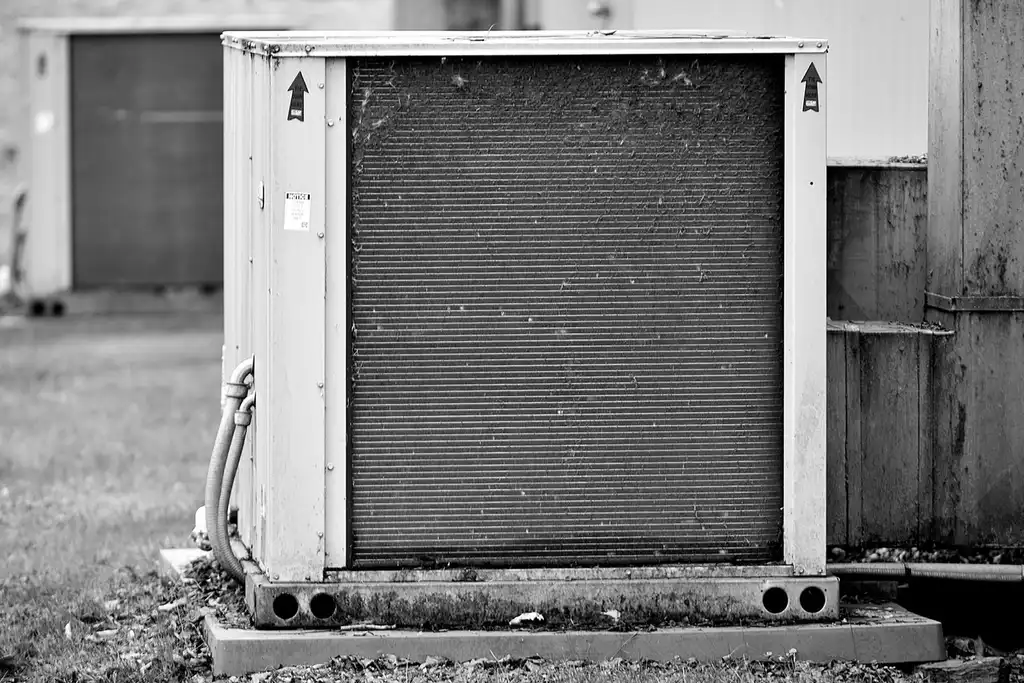
Flood mold releases spores into your HVAC system, which spreads them through every room. We test the air handler and ductwork with a particle counter and borescope. If we find mold in the ducts, you know to schedule duct cleaning before you run the furnace this winter.
If testing shows mold only in a small area, you may only need targeted removal instead of a full gut. We identify the exact boundaries with moisture mapping sensors and thermal imaging. That precision can cut your project cost by thousands compared to a blanket remediation.
Clear records you can keep and share.
Lab data, photos, and moisture readings.
Grid showing wet areas and readings.
Spore counts and species identification.
Mold needs moisture to grow. Testing tells you if mold is present and how far it has spread.
Mold can start growing in 24 to 48 hours after a flood. The sooner you test, the smaller the problem.
Air samples measure spores in the air. Surface samples identify mold on materials. Both are useful after a flood.
Testing confirms mold and documents it. Remediation removes it. We only test, so our results are unbiased.
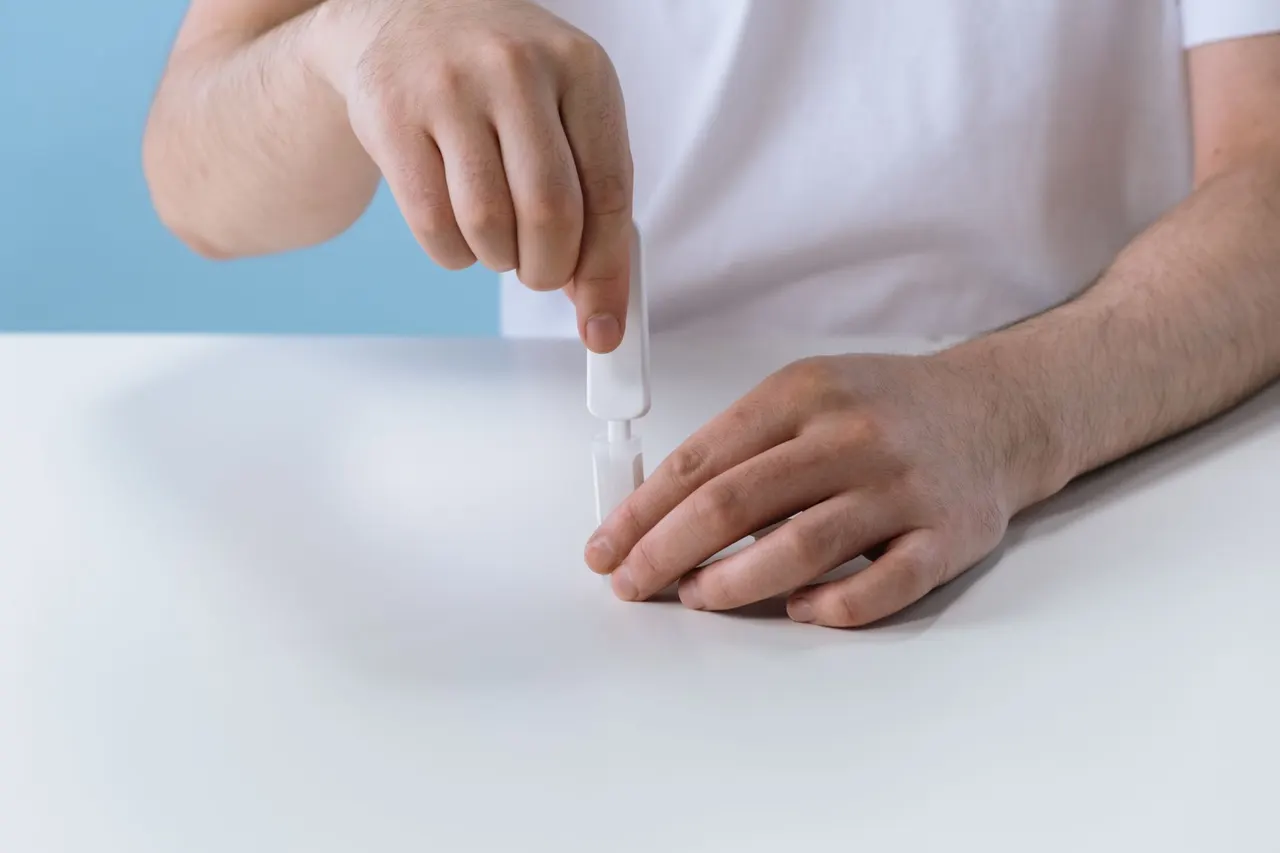
Outside these areas? Call and we will let you know if we can help. (208) 823 1178
Most flood mold testing in Meridian costs between $250 and $650 for a typical home. The price depends on square footage, how many samples we collect, and whether we need to test HVAC or crawl spaces. A basic air and surface sample package for a 1,500-square-foot home runs around $350. If you need same-day flood mold testing Meridian, add $75 to $150 for expedited scheduling.
We start with moisture mapping using a Protimeter meter and FLIR thermal camera to find wet areas. Then we collect air samples with an SKC pump and Zefon Air-O-Cell cassettes, plus surface samples with tape lift kits. Samples go to LabCor for spore count and species identification. The whole process takes two to four hours on site, and you get a written report in 24 to 48 hours.
Meridian Mold Testing provides flood mold testing across Ada County. We are an independent testing company, not a remediation contractor, so our results are unbiased. We serve all Meridian neighborhoods including Downtown, Northeast, Southeast, Southwest, Northwest, Paramount, Sierra Ridge, Tuscany, and Pine Tree. Call (208) 823 1178 to schedule.
Mold can begin growing within 24 to 48 hours after water intrusion. In Meridian's dry climate, wet drywall and insulation can stay damp for days if not dried properly. If your flood happened more than two days ago and materials are still wet, you likely have mold. Testing confirms it and tells you which species are present.
We answer calls 24/7 for flood emergencies. Call (208) 823 1178 and we will schedule your testing, usually the same day. You get lab results in 24 to 48 hours and a report you can hand to your insurance adjuster.
Call us at (208) 823 1178 or email info@meridianmoldtesting.com to schedule your inspection. We answer calls Monday through Friday from 8:00 AM to 6:00 PM. If you reach us after hours, leave a message and we will call you back first thing the next morning.